
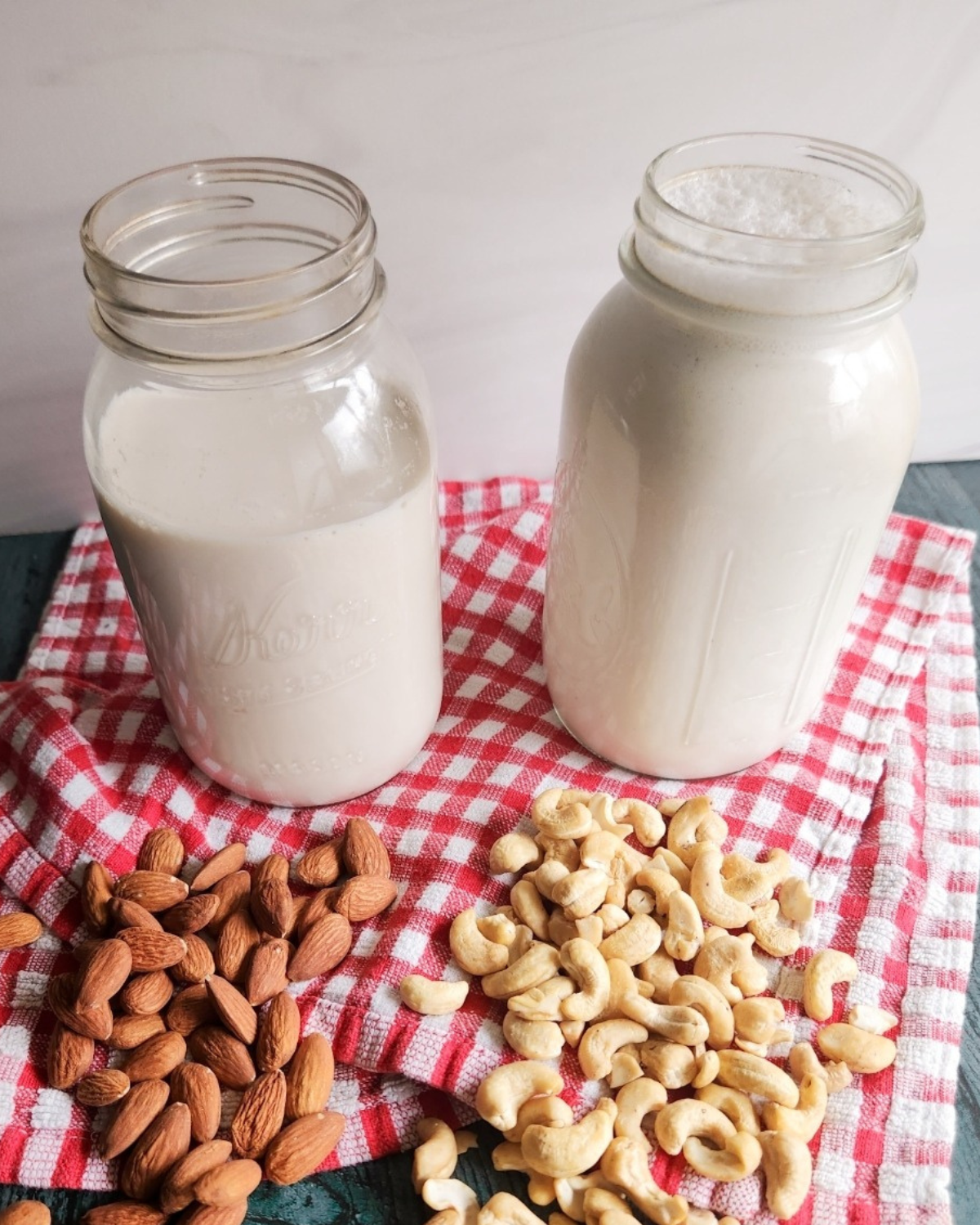
Almond Milk vs. Cashew Milk plus Easy Recipes To Make
Let’s explore the differences, benefits and delights between almond milk vs. cashew milk plus easy recipes with instructions to make your own fresh at home!
Dairy-free milk options are a better option to regular milk since they contain very low carbs and are naturally sugar free.
Although there are a lot of plant-based milk alternatives at your local grocery store like soy milk, pea milk, coconut milk, oat milk, hemp milk and rice milk, but we will concentrate on the most popular choices of almond milk and cashew milk.

These two popular nuts are also a popular dairy-free option at local coffee shops now too! Out of all of these types of milk, almond milk and cashew milk are the easiest to make at home fresh without a lot of fuss.
Having a plant-based option available without any gums or natural flavors makes it easier to replace milk in your diet especially if you have a dairy allergy.
Keep reading as I take a closer look at almonds and cashews, walk you through the steps of making your own almond milk and cashew milk, plus give tips, substitutions and answers to your frequently asked questions.
All about Almonds and the ever-popular almond milk
The word almond comes from the Old French word almande or allemande which was from the Ancient Greek version of amygdálē referencing the amygdala, an almond-shaped portion of the brain.
Almonds have been cultivated for thousands of years in the Middle East and Central Asia.
Now almond trees primarily grow in regions with warm, dry climates such as California which produces about 80% of the world’s almonds.
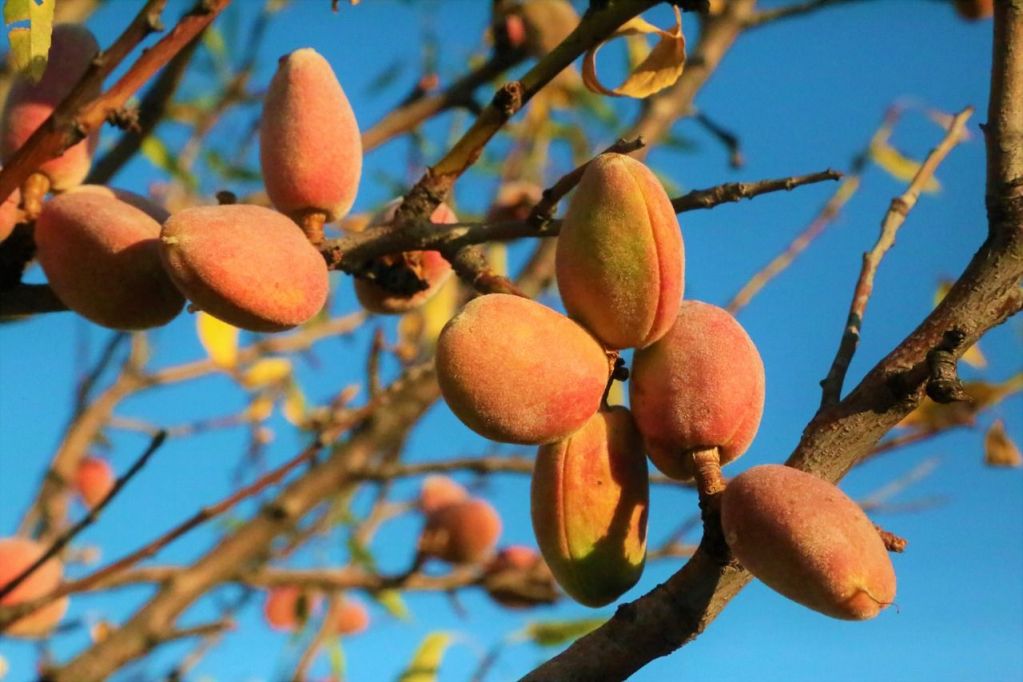
It is actually a seed found in the middle of a indehiscent type of fruit found in the Prunus genus like cherries and plums. The fruit itself is not fleshy but instead a thick, leathery, gray green exterior covered in a downy layer like a peach. It ripens on the tree and then dries to reveal the hard shelled nut and kernel we all have come to know as almonds.
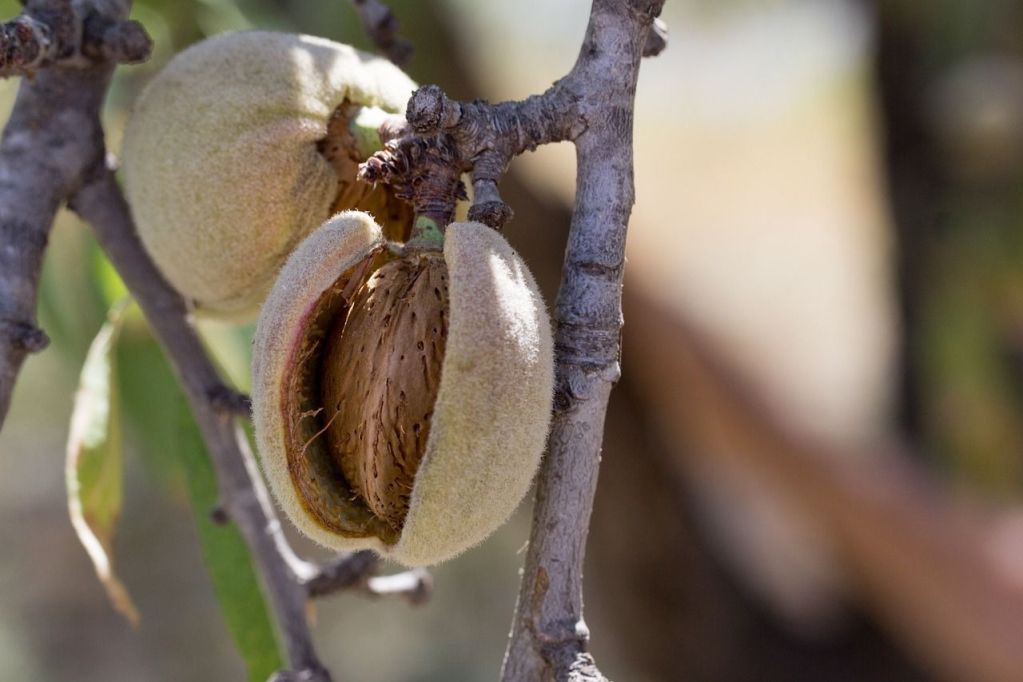
It is a versatile seed that has gained widespread popularity not only for its flavor but also for its numerous health benefits in the form of a non-dairy milk but also as a gluten free baking flour.
Homemade almond milk is made by blending almonds with water and then straining out the pulp that has a creamy texture and nutty flavor without the carb heavy lactose found in cow’s milk.
Grocery store almond milk is often fortified with vitamins and minerals, such as calcium and vitamin D to increase its nutritional value for those with lactose intolerance to support strong bones. Store-bought versions also have Gellan gum as well as other preservatives for it to last longer before purchase.
There are many different brands available to choose from but my favorite brand of freshly pre-made almond milk is Califia as they do not use any gums in their fresh version.

Freshly made almond milk only lasts up to 5 days before turning sour so having store-bought nut milks made with only 3 ingredients makes it available to everyone.
Shelf stable almond milk will contain calcium carbonate, gellan gum and possibly guar gum to maintain its freshness and texture as almond milk tends to settle after a time.
One cup of unsweetened almond milk typically contains around 30-40 calories, 2.5-3 grams of fat, 1 gram of protein, and has 1 gram of carbohydrate.
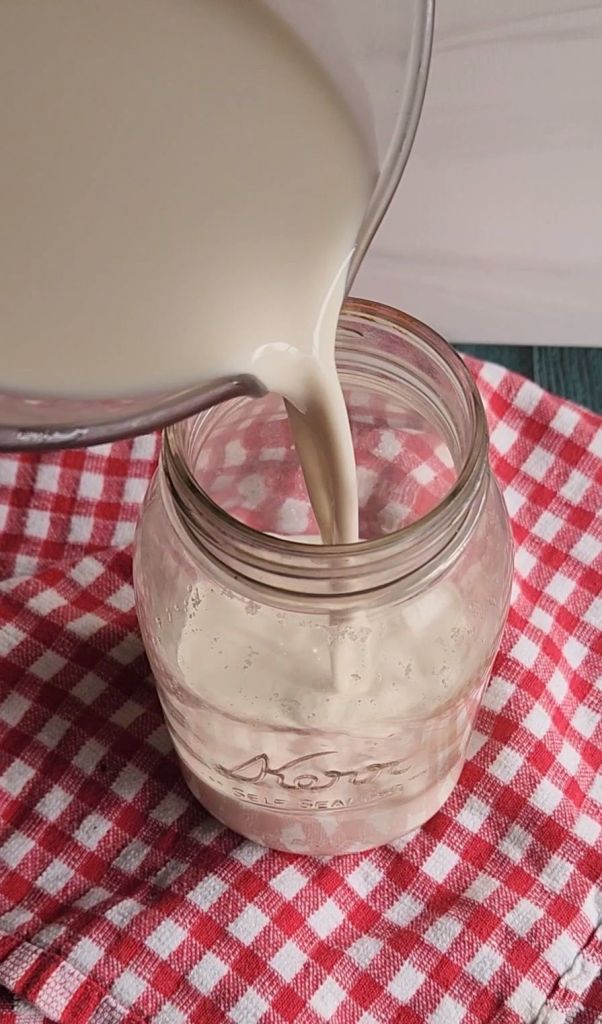
It is a good source of vitamin E, providing about 20-50% of the recommended daily intake and offering assistance in the elimination of free radicals in the body.
Almonds offer a balance of monounsaturated and polyunsaturated fats, including essential omega-6 fatty acids and a small protein content. They contain phytates which are compounds that can inhibit the absorption of certain nutrients.
Store bought plant milks still contain phytates since the almonds are not soaked prior to making the milk. Soaking almonds before making almond milk helps reduce the phytate content and improve nutrient absorption.
All about Cashews and its cream like consistency
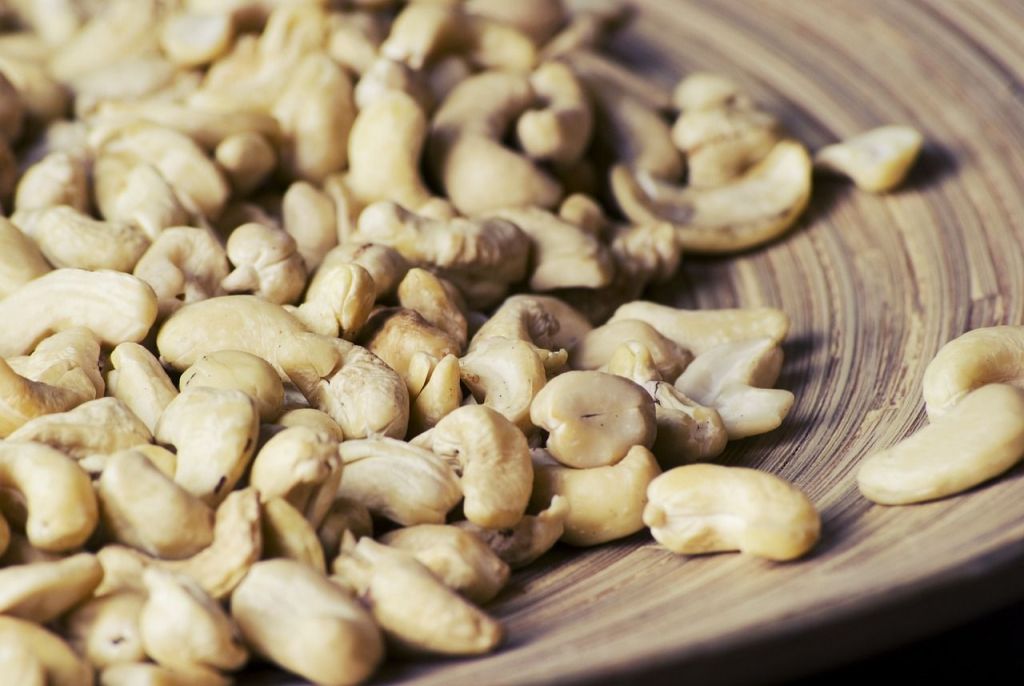
The English name for cashew derives from the Portuguese name for the fruit of the cashew tree: caju.
Cashews are native to Brazil and have a rich history dating back centuries.
First introduced to the world by Portuguese explorers in the 16th century, cashew trees thrive in tropical climates, particularly in countries such as India, Vietnam, Nigeria, and the Ivory Coast.
The cashew nut is technically a seed that grows attached to the bottom of the cashew apple, a fruit with a sweet and tangy flavor.
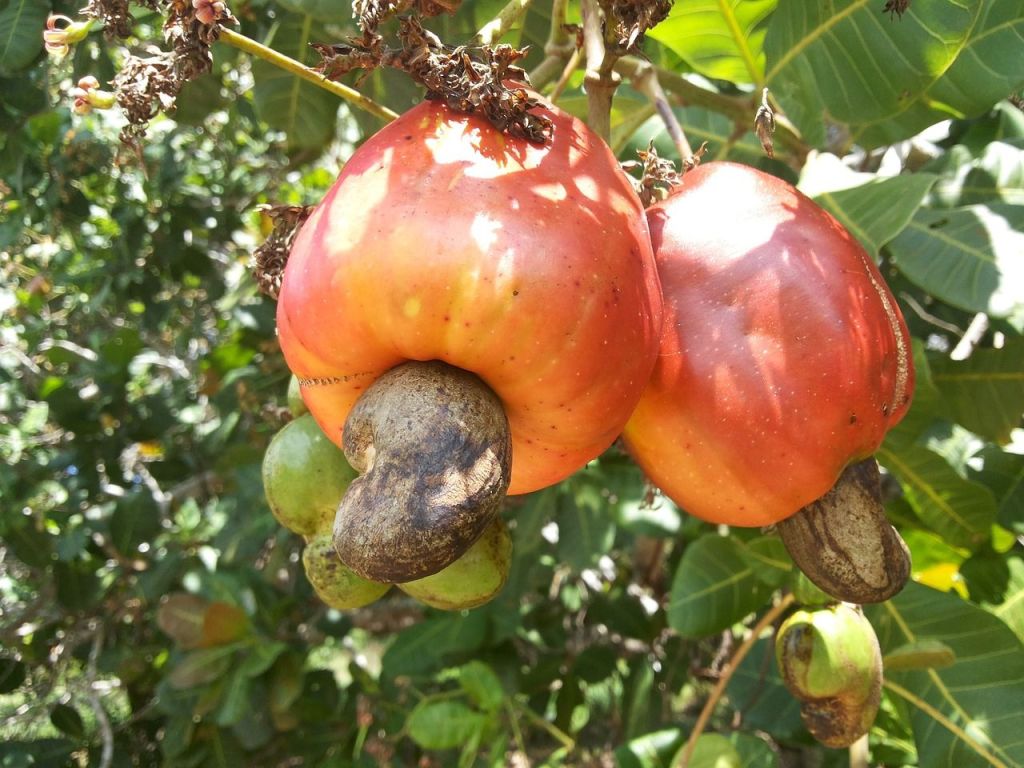
You will not find cashews in their shell like the popular almond since they require careful handling due to the toxic oils present in their shells that are similar to the oils in the poison ivy plant.
In recent years, cashew milk has emerged as a popular dairy-free alternative to milk since its very creamy texture is a good option for an alternative to heavy cream in various recipes such as sauces, soups, and desserts. In the same way that almond milk is made, cashew milk is made by blending soaked cashews with water.
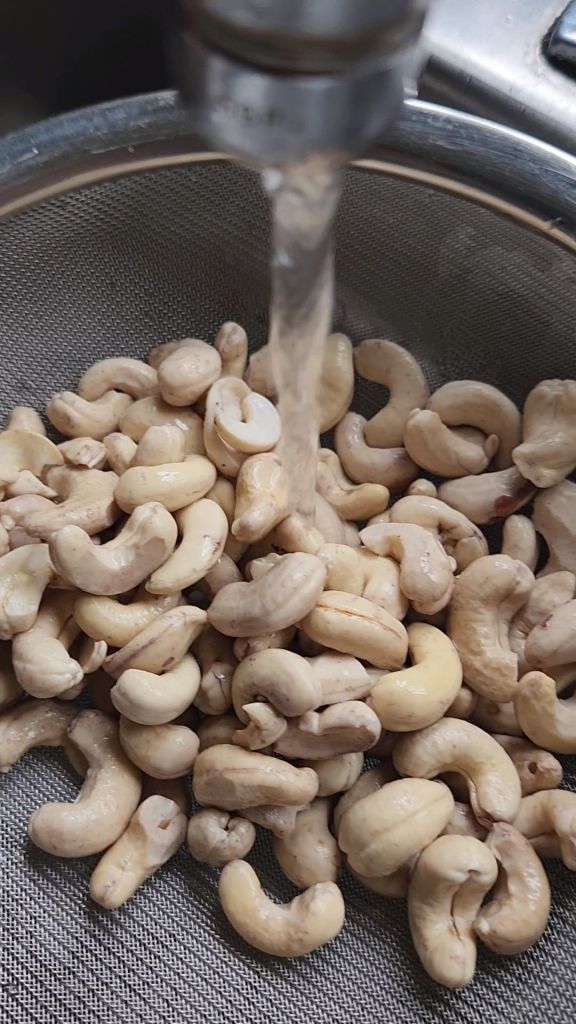
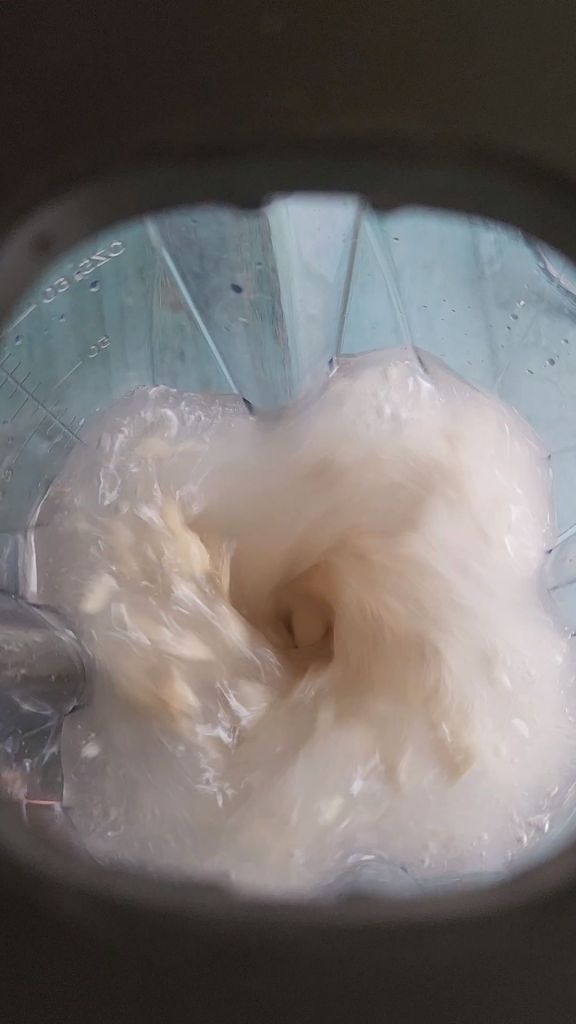
Pulp is usually not strained off as there are no skins to filter away like with the almonds, but it can be strained if you wish. The creamiest versions are made with a high-powered blender like the Vitamix where it pulverizes the ground cashews very well.
Cashew milk from the store is often fortified with vitamins and minerals like almond milk, including calcium and vitamin D.
One cup of unsweetened cashew milk contains around 25-50 calories, 1-5 grams of fat, 0-1 grams of protein, and 1-2 grams of carbs. The cashew milk nutrition provides rich sources (20% or more of the DV) of dietary minerals, including copper, manganese, phosphorus, magnesium, thiamin, vitamin B 6 and vitamin K. Cashews, like the respective nut almond, also contains phytates, which can hinder nutrient absorption.
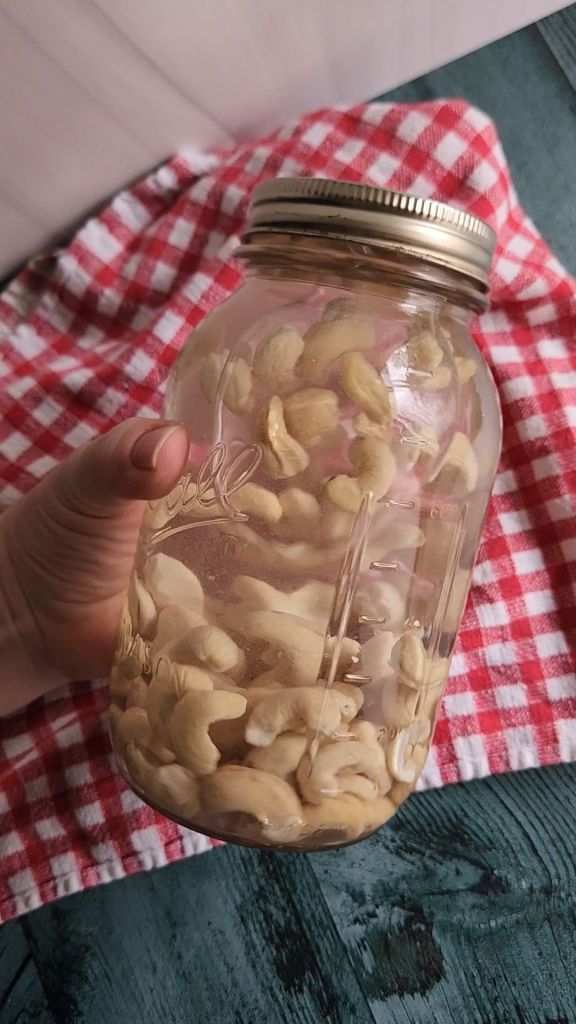
Soaking cashews before making milk can help reduce phytate levels, which is the best way to improve the availability of nutrients, plus soften them up for a creamy consistency after blending. Cashews are rich in monounsaturated fats, predominantly oleic acid, promoting heart health.
What you need to make your own fresh almond milk or cashew milk
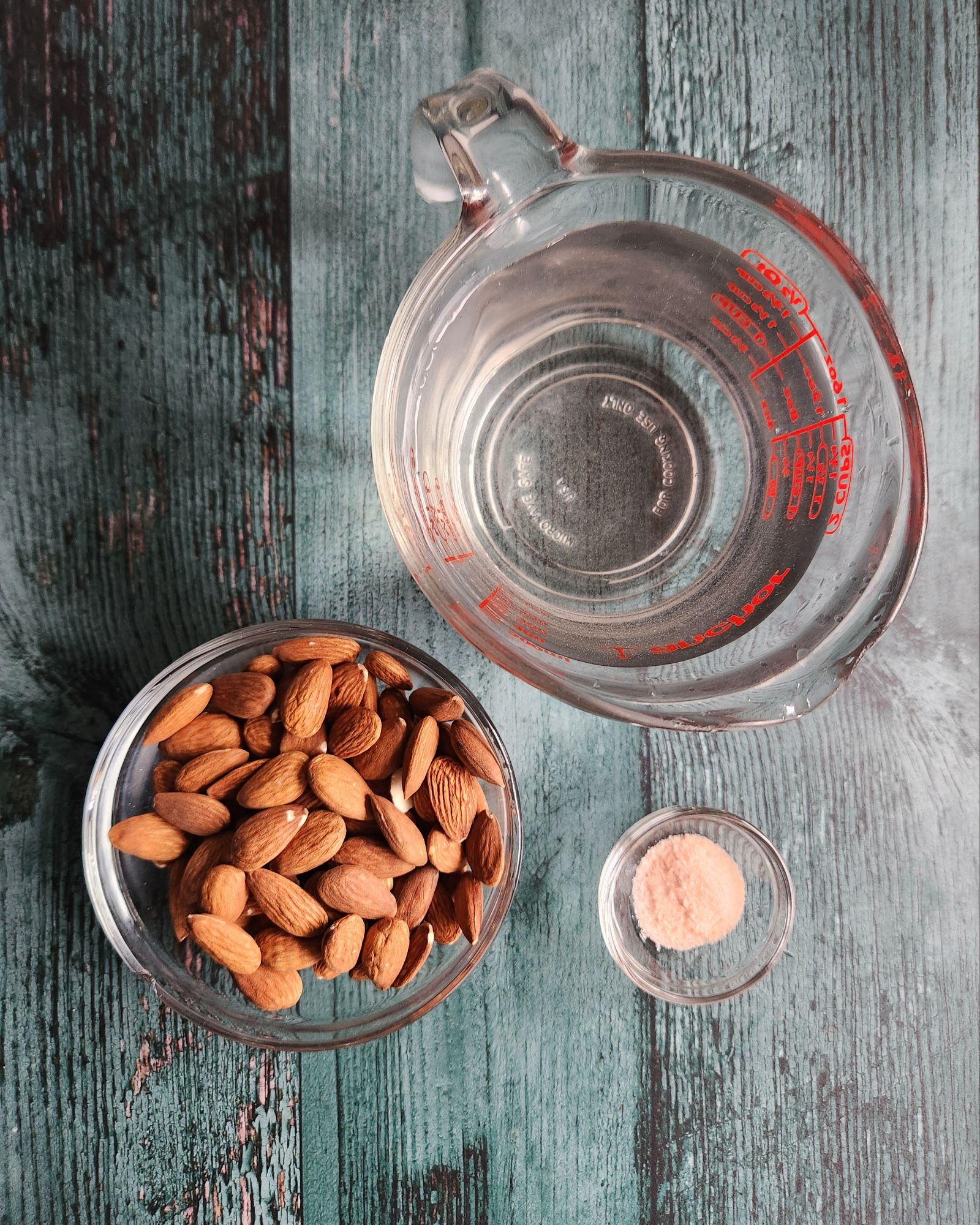
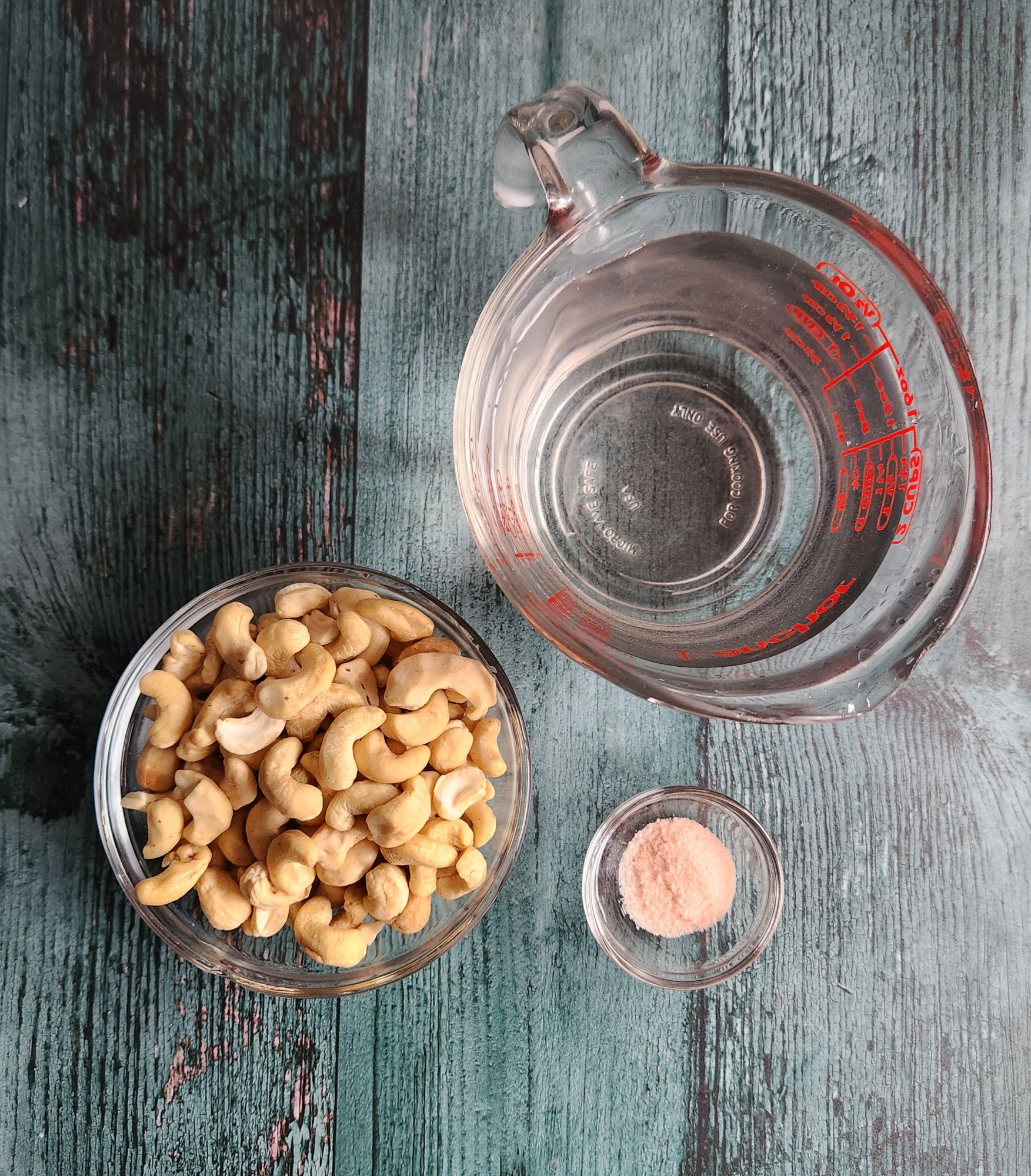
- 1 cup of raw, unsalted, unroasted almonds or cashews
- 1 quart jar with airtight lid
- water
- sea salt
- strainer or sieve
- thin weave cloth or nut milk bag
- large bowl or measuring cup
- blender
The ingredient list for each milk, almond and cashew, are the same.
Let’s make the best plant-based milk with this easy recipe
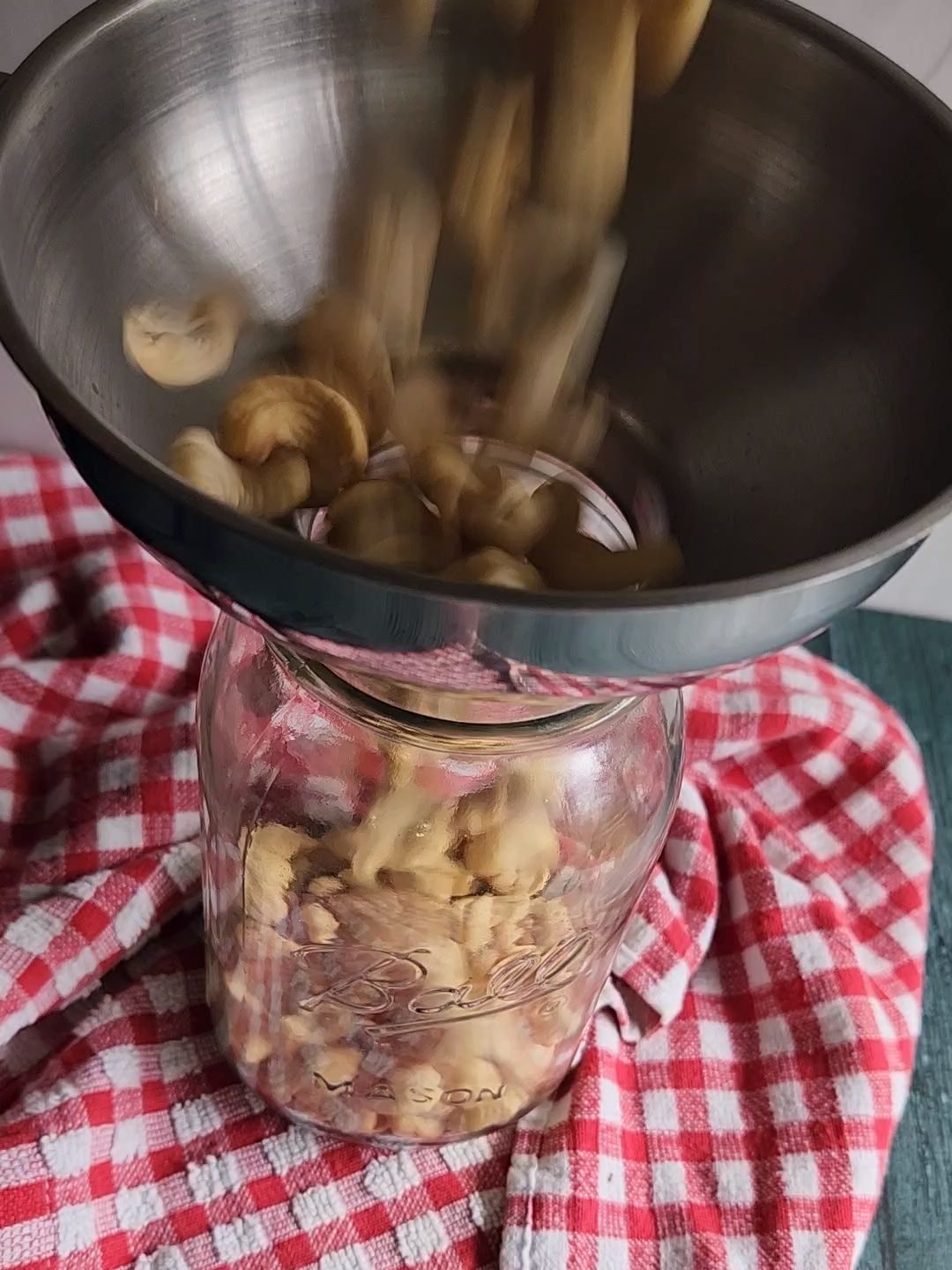
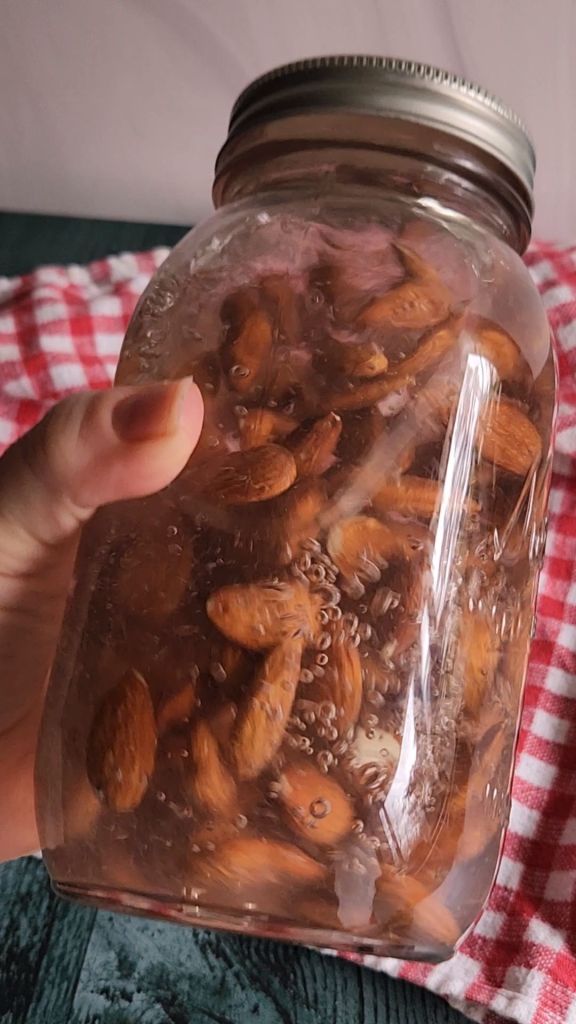
First you will need to add your raw nuts to the quart jar.
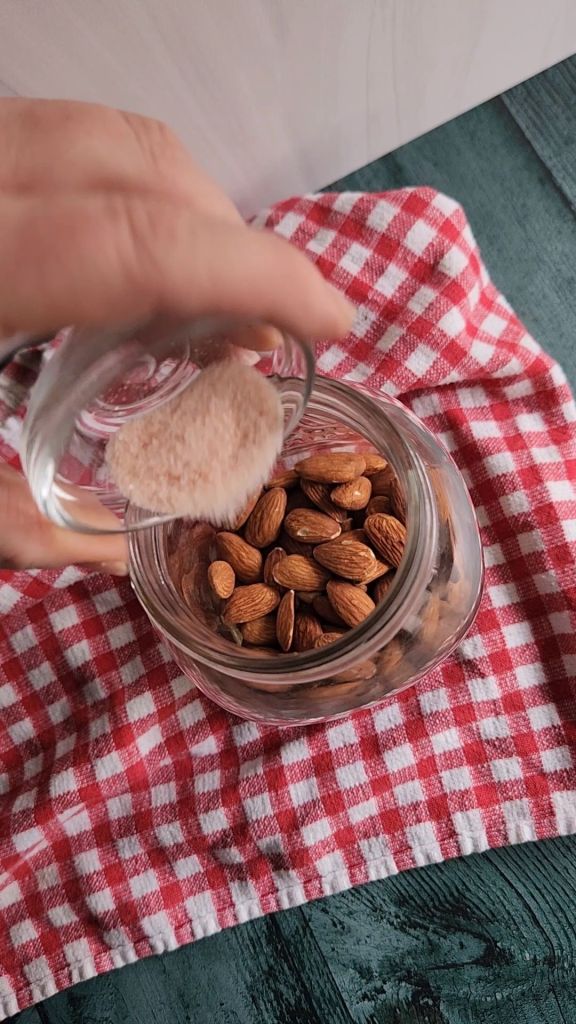
Add in your sea salt then fill it up to the bottom of the threads with water.
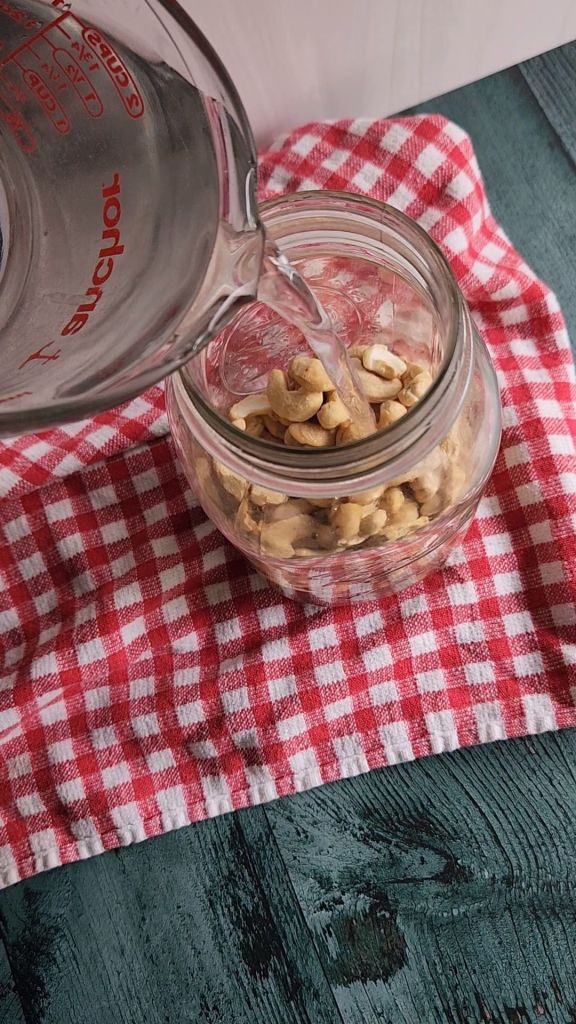
Give it a good shake then let it sit on the counter at room temperature for 8 hours or overnight.
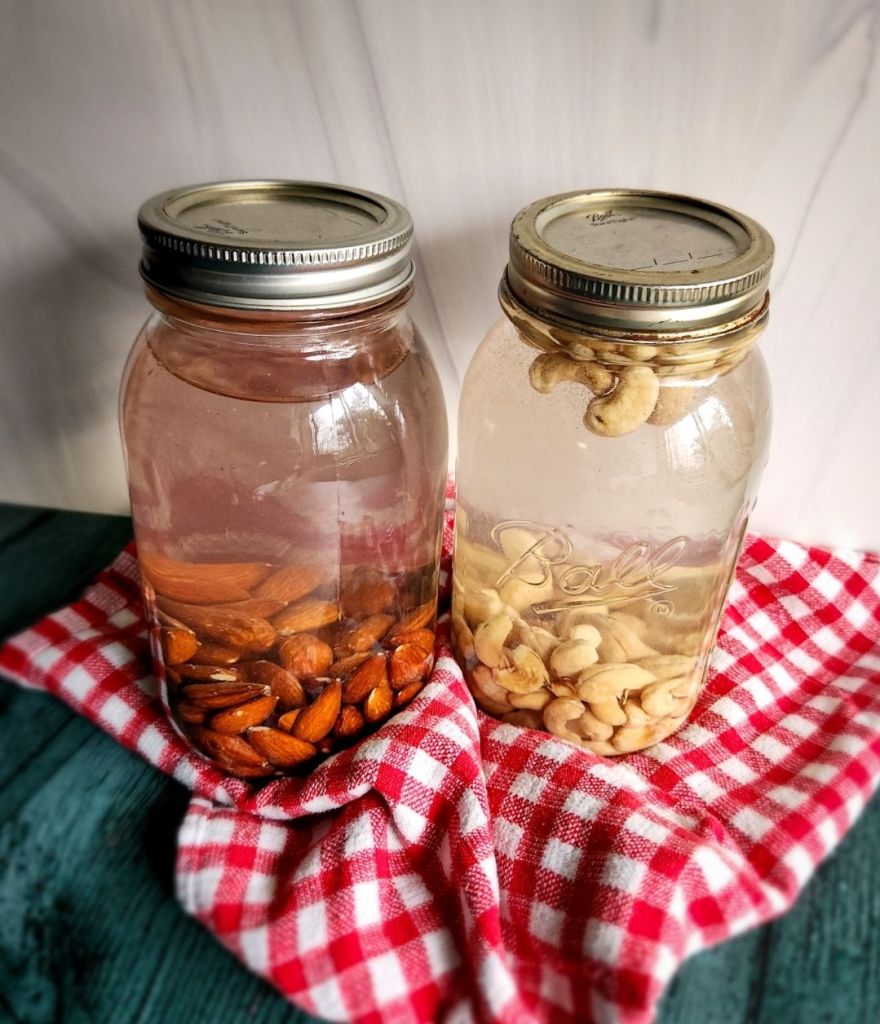
After the time is up or in the morning, pour your jar of water and nuts into the strainer.
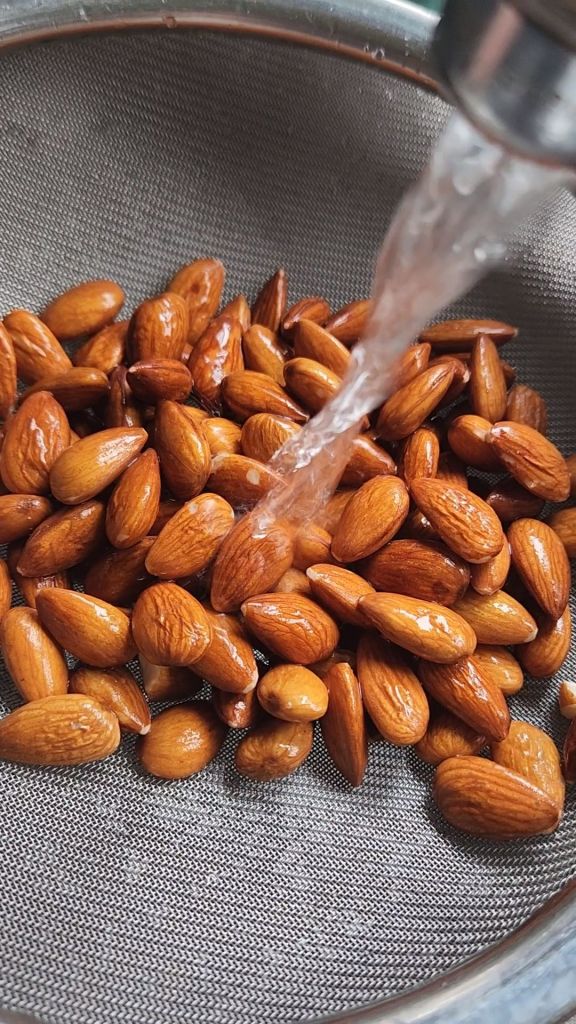
Rinse them under cool water for a minute.
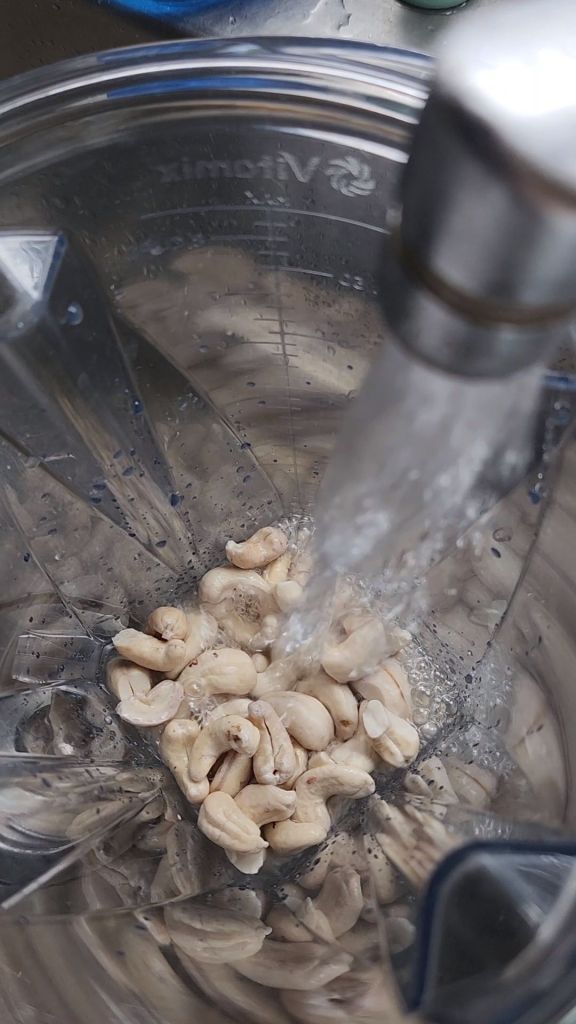
Fill a blender with 4 cups of water and rinsed nuts.
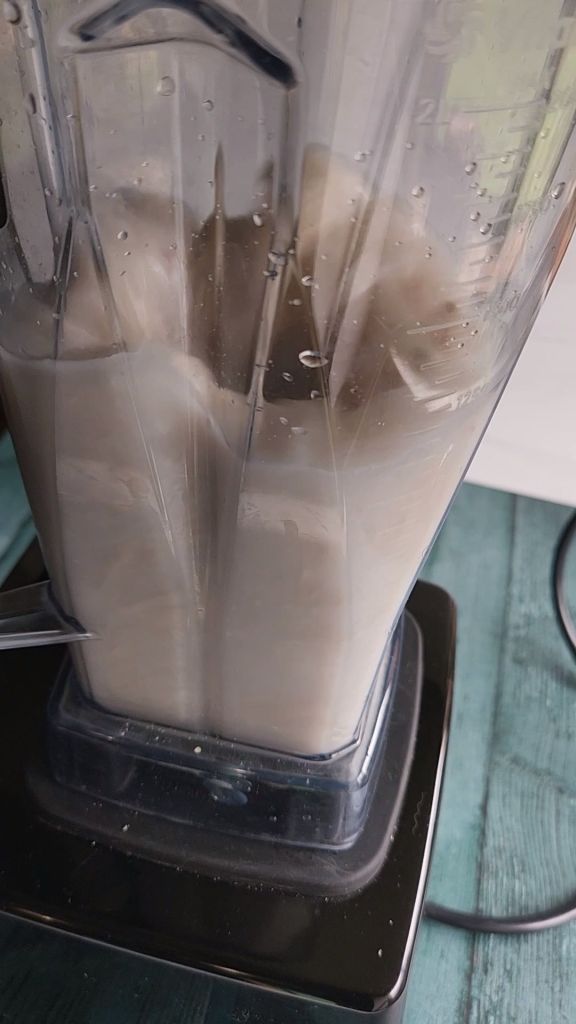
Blend on high for at least 1 minute.
If you do not have a high-powered blender, then you may need to blend a little longer. Put a strainer or sieve over a large measuring bowl lined with a wettened fine thread cloth or nut bag.
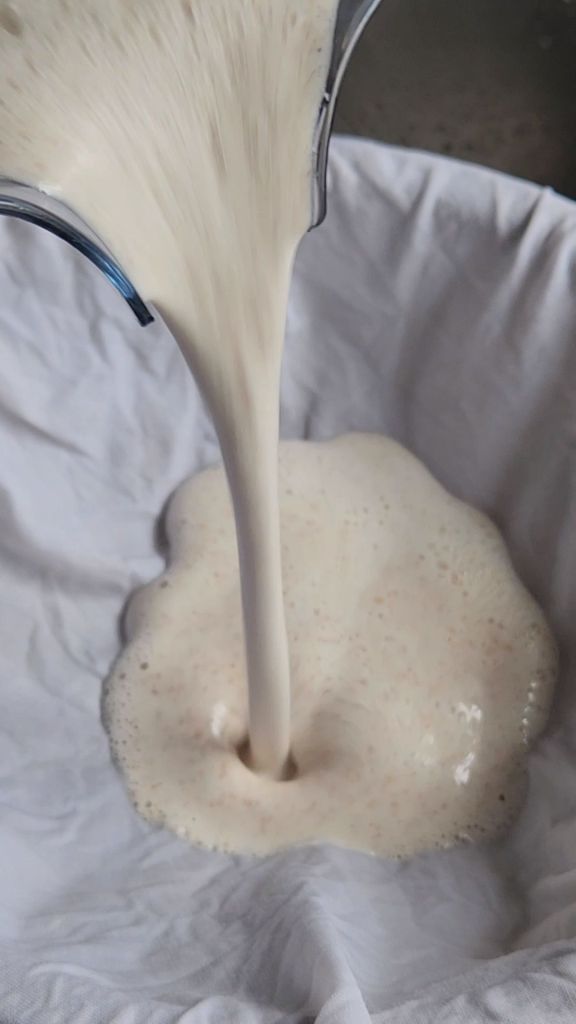
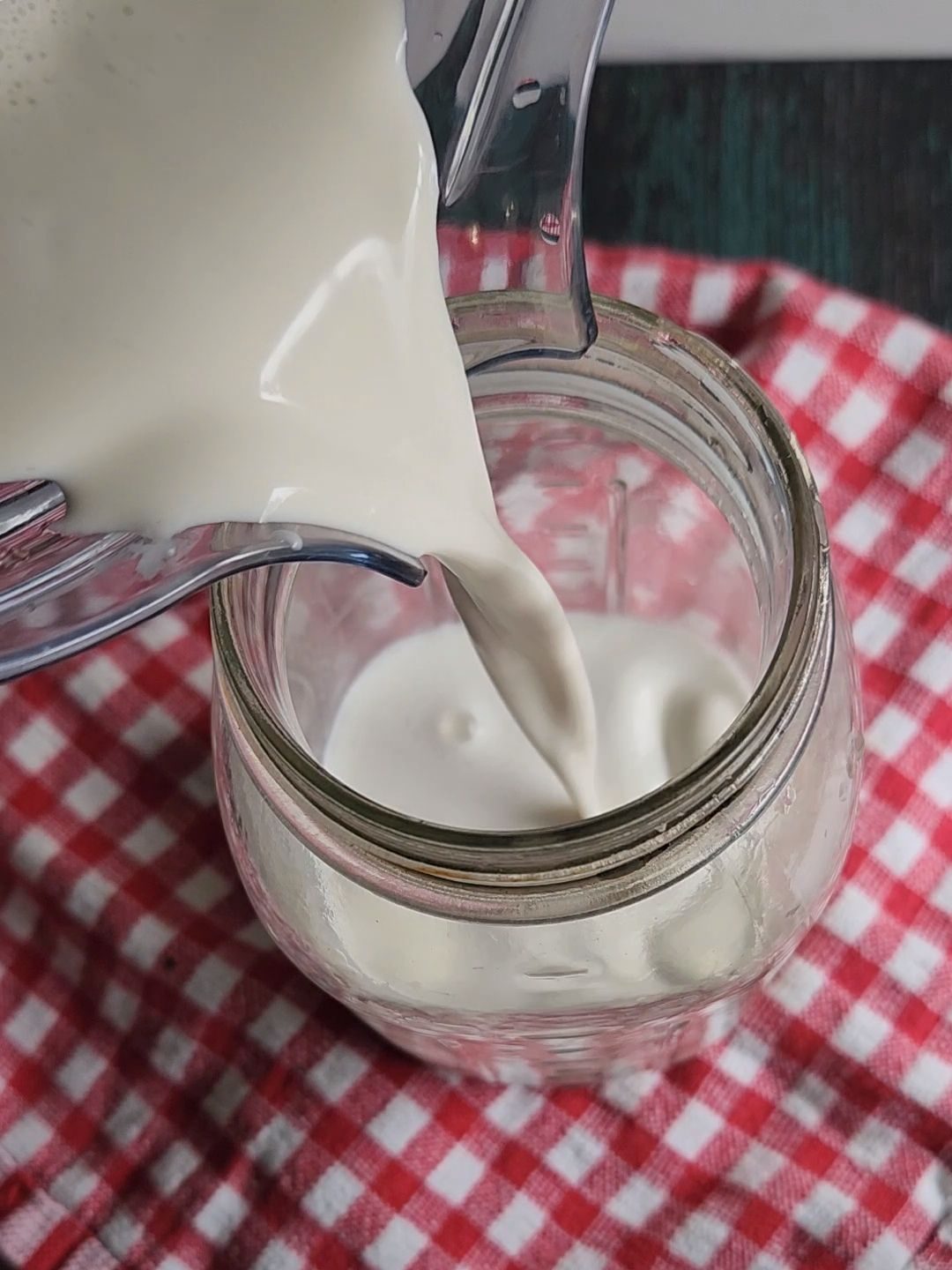
Pour the blender contents into the cloth lined sieve and gently press and stir with a spoon. Once the flow of nut milk has slowed, gather up the edges of the cloth to gently squeeze out any excess.
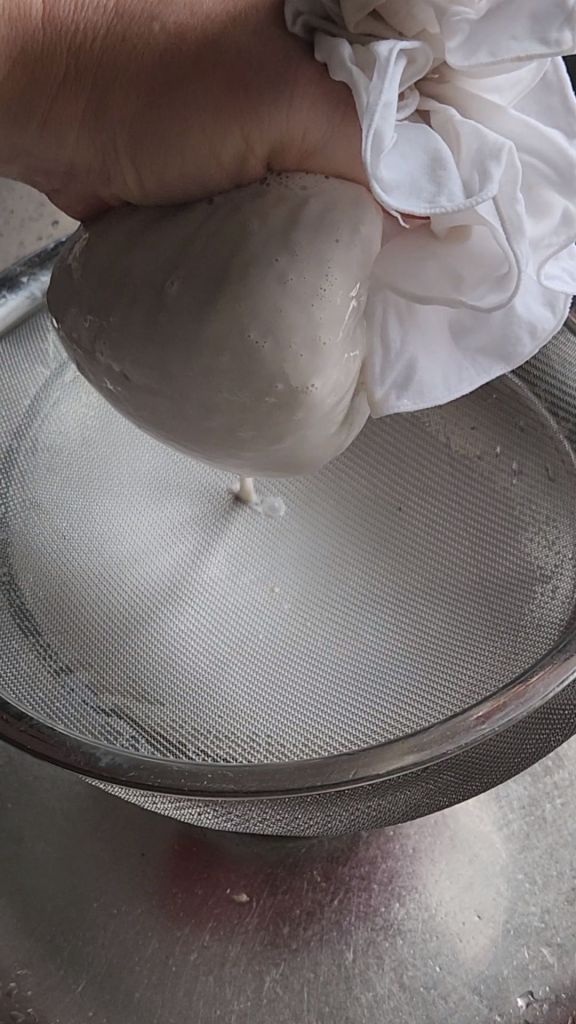
Do not squeeze to tightly or you may press the nut pulp through the cloth, and it will go into your milk. Pour the strained milk back into your original quart jar with a lid.

If you do not mind a thickness to your milk, you do not need to strain the cashew milk like you need to strain the almond milk.
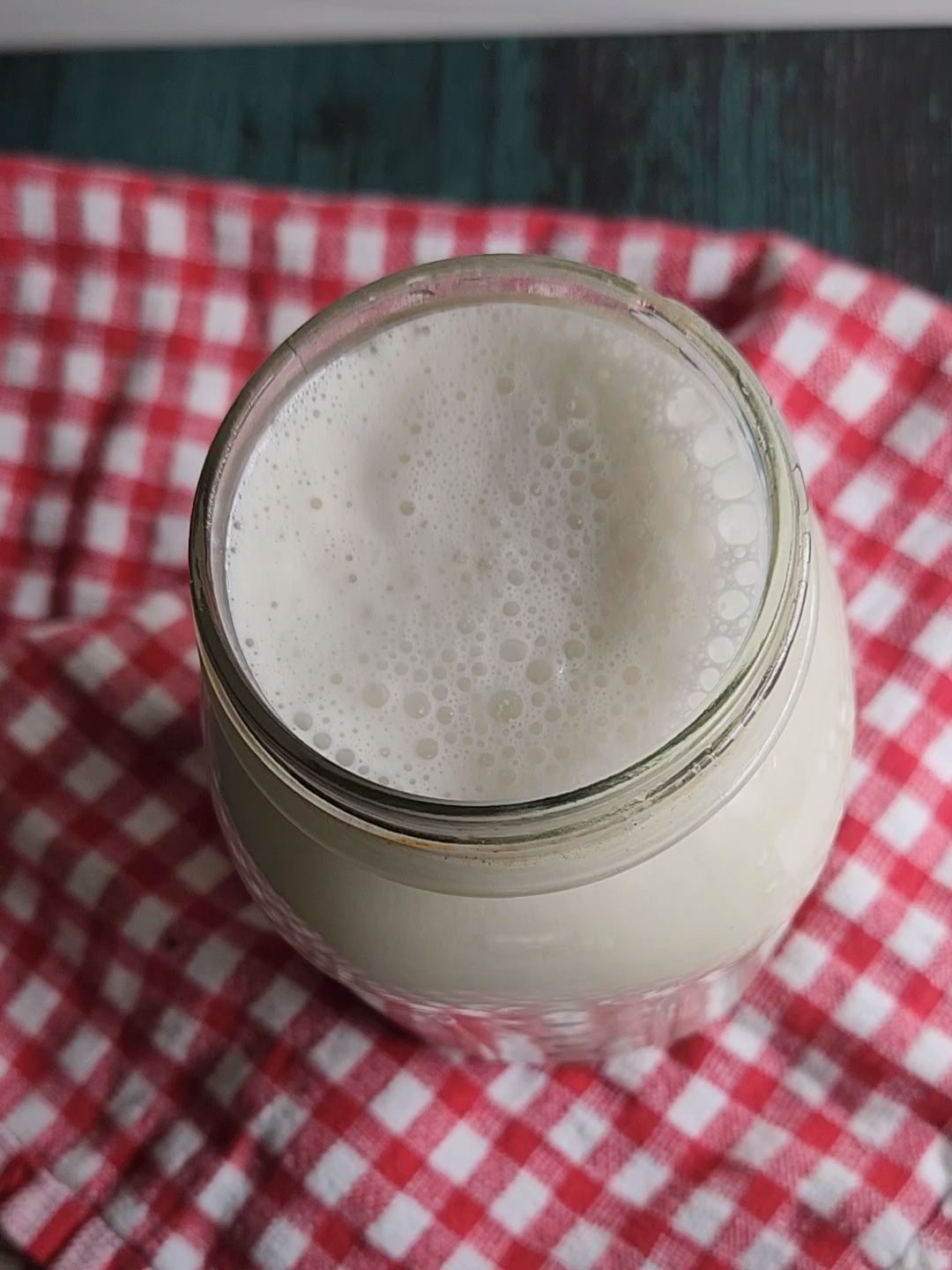
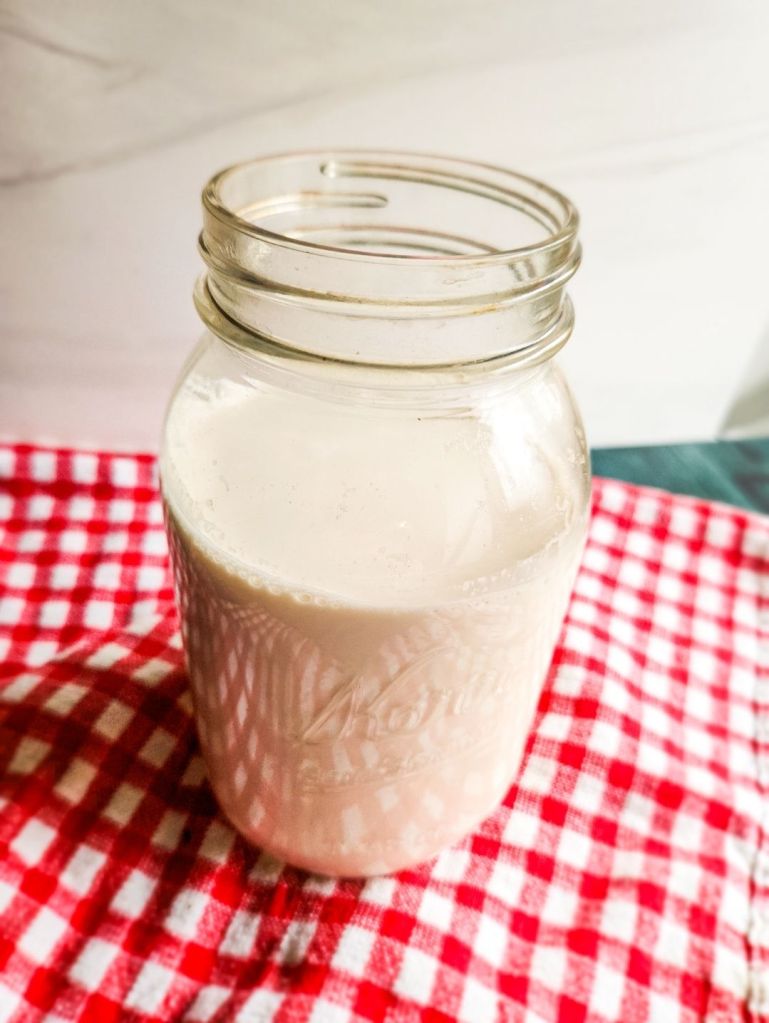
Fresh plant-based milks will keep in the fridge up to 5 days and keep its freshness. If you find you cannot use the milk up before the 5 days arrive, you can freeze into ice cubes and use in smoothies.
Tips, Substitutions and FAQs
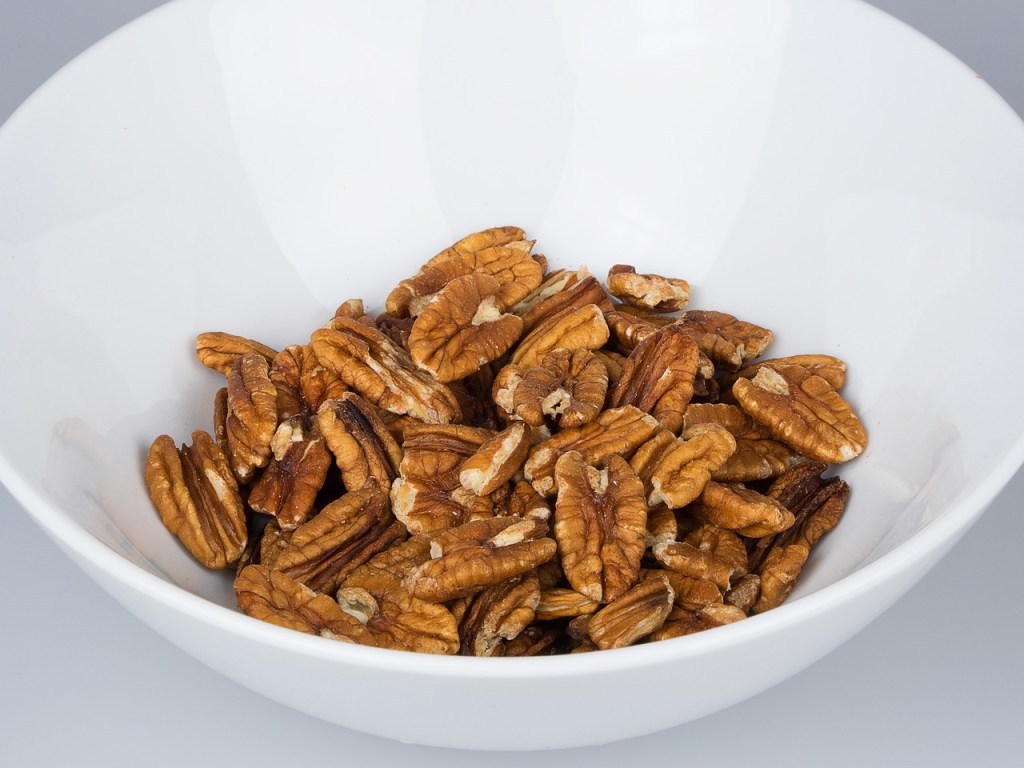
- Use the same instructions to also make other nut milks! Try pecans, walnuts, macadamia nuts, and more. Seeds are similar but do not require an overnight soak, they blend up as is.
- Homemade versions not only allow for customization but also ensure that you know exactly what goes into your plant-based beverage. Add in an extract of vanilla, almond, or chocolate for a nice flavor boost to your plain nut milk.
- If you prefer having your nut milk sweetened, just add in a few drops of liquid stevia or monk fruit sweetener if you want to keep it sugar free. You can also choose to add maple syrup or honey to the milk when you have strained it.
- Freeze your nut milk in an ice cube tray to make frozen milk cubes. These add a lot of creaminess to smoothies when used in place of ice in the recipe.
- Either almond milk or cashew milk will work in any recipe calling for milk. Try a splash in my recipe for Easy Gluten Free and Keto Swedish Meatballs Recipe instead of regular milk to make it creamy.
- You can easily double this recipe to make two quarts if you want to make it up ahead of time knowing you would use it within 5 days. Just double the amount of soaked nuts in a larger jar and blend them altogether in the blender.
- If you want a thicker milk just use less water. This works best with cashews as it closely resembles heavy cream when you decrease the water amount a bit.
Does this way of making nut milk work with any type of nut? Yes it does! You need to add the bit of salt and soak overnight just like it says in the recipe card. Make sure you rinse then add in fresh water before blending. Each type of nut gives a unique option for a non-dairy milk alternative.
Do I have to soak the nuts to make the nut milk? Yes, soaking the nuts allows them to soften up so they blend better with the water making the milk. If you do not soak the nuts they will be harder and you will not get enough of the nut into the water for your milk. This is especially true with cashews as the non-straining choice is eliminated when they are not soft enough to blend up.
Can I soak the nuts in a bowl or maybe the blender pitcher instead if I don’t have a lidded jar? Yes, that would work just fine. As long as you cover the nuts with water and rinse them before making the milk you will be fine.
So which is the better choice: Almond Milk or Cashew Milk?
When it comes down to it, choosing between almond and cashew milk often boils down to personal preference.
Some may prefer the nutty flavor and slight sweetness of almond milk, while others may opt for the creamier texture of cashew milk from its good source of healthy fats.
Ultimately, both make great alternatives to cow’s milk, whether for health reasons, taste preference, or ethical concerns. I believe both are a great option when they are unsweetened and offer a milk alternative for those who are seeking weight loss. You need to choose the nut milk that aligns with your nutritional needs and particular recipe you will use it for.
There are Other Plant-Based Alternatives for milk
Not everyone has the time or inclination to make their own nut milk so thankfully, there are plenty of store-bought varieties available in local grocery stores and online. When selecting a plant-based milk, be sure to check the nutrition labels for added sugar and opt for unsweetened varieties to keep your beverage as healthy as possible.
While almond and cashew milk may be the first choice in the plant-based milk market, they are not the only options available. Soy, oat, coconut, rice, hemp, pea, and even hazelnut milk are just a few of the many plant-based alternatives available.
Each offers its own unique flavor profile, nutritional benefits, environmental concerns, and environmental impact so don’t be afraid to experiment and find the best fit for your lifestyle.
Almond milk and cashew milk are both excellent dairy-free alternatives with their own set of health benefits and culinary delights. Whether you prefer the nutty flavor of almond milk or the creamy consistency of cashew milk, both offer a good choice for your health and help you stay away from dairy’s added carbs.
Pour yourself a glass of homemade nut milk and toast to the good news that you can still have your “milk” without dairy!
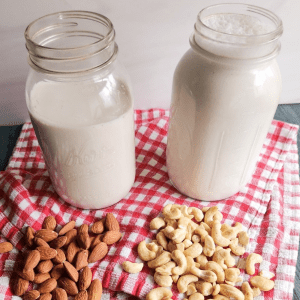
Almond Milk vs. Cashew Milk + Easy Recipes To Make It
Equipment
- Glass Quart Jar with air tight lid
- blender
- Sieve or Colander Strainer
- Thin weave cloth or nut milk bag
- Measuring Cup with Pour Spout
Ingredients
- 1 cup raw almonds or raw cashews
- 1 teaspoon sea salt
- 4 cups water
Instructions
- The ingredient list for each milk, almond and cashew, are the same. First you will need to add your raw nuts to the quart jar.
- Add in your sea salt then fill it up to the bottom of the threads with water.
- Give it a good shake then let it sit on the counter at room temperature for 8 hours or overnight.
- After the time is up or in the morning, pour your jar of water and nuts into the strainer and rinse them under cool water for a minute.
- Fill a blender with 4 cups of water and rinsed nuts. Blend on high for at least 1 minute. If you do not have a high-powered blender, then you may need to blend a little longer.
- Put a strainer or sieve over a large measuring bowl lined with a wettened fine thread cloth or nut bag. Pour the blender contents into the cloth lined sieve and gently press and stir with a spoon.
- Once the flow of nut milk has slowed, gather up the edges of the cloth to gently squeeze out any excess. Do not squeeze to tightly or you may press the nut pulp through the cloth and it will go into your milk.
- Pour the strained milk back into your original quart jar with a lid. Fresh plant-based milks will keep in the fridge up to 5 days and keep its freshness.
- If you find you cannot use the milk up before the 5 days arrive, you can freeze into ice cubes and use in smoothies.
Video
Notes
- Use the same instructions to also make other nut milks! Try pecans, walnuts, macadamia nuts, and more. Seeds are similar but do not require an overnight soak, they blend up as is.
- Homemade versions not only allow for customization but also ensure that you know exactly what goes into your plant-based beverage. Add in an extract of vanilla, almond, or chocolate for a nice flavor boost to your plain nut milk.
- If you prefer having your nut milk sweetened, just add in a few drops of liquid stevia or monk fruit sweetener if you want to keep it sugar free. You can also choose to add maple syrup or honey to the milk when you have strained it.
- Freeze your nut milk in an ice cube tray to make frozen milk cubes. These add a lot of creaminess to smoothies when used in place of ice in the recipe.
- Either almond milk or cashew milk will work in any recipe calling for milk. Try a splash in my recipe for Easy Gluten Free and Keto Swedish Meatballs Recipe instead of regular milk to make it creamy.
- You can easily double this recipe to make two quarts if you want to make it up ahead of time knowing you would use it within 5 days. Just double the amount of soaked nuts in a larger jar and blend them altogether in the blender.
Check out these recipes that you can use your homemade nut milk in!
Easy Keto Biscuits and Gravy Recipe
This recipe for sausage gravy can become dairy free easily when you use cashew milk instead of heavy cream. It is a neutral enough flavor that it will be a perfect substitute.Low Carb Baileys Irish Cream Coffee Creamer Recipe
Either nut milk will work in this quick and easy recipe for a low carb coffee creamer made with low carb Baileys Irish Cream.How to Make Cold Foam with Coffee Creamer Recipe
You can use the cashew milk in place of the heavy cream called for and the almond milk as the milk stand in for this easy recipe to make your own cold foam!Nutrition
Don’t forget to PIN the pinnable recipe card to your Pinterest board or print the printable recipe card.
Full disclosure, we are affiliates with various companies and earn a small commission from these companies when you purchase through my affiliate links.
This is at no extra cost to you.
Thank you for supporting my site by leaving a five-star review plus leaving a comment in the comment section with your results.
Leaving 5-star ratings help my recipe to be seen by more people which helps others have options too! This helps my great recipes to be shown to more people for my websites’ success!
Come follow me on social media as well as I post new recipes and videos on Instagram and Pinterest all the time!
If you love cast iron as much as I do, then you would absolutely LOVE my 2nd cookbook “Chaffles Cast Iron and The Crock” !!

Check out these recipes that you can use your homemade nut milk in!
Easy Keto Biscuits and Gravy Recipe
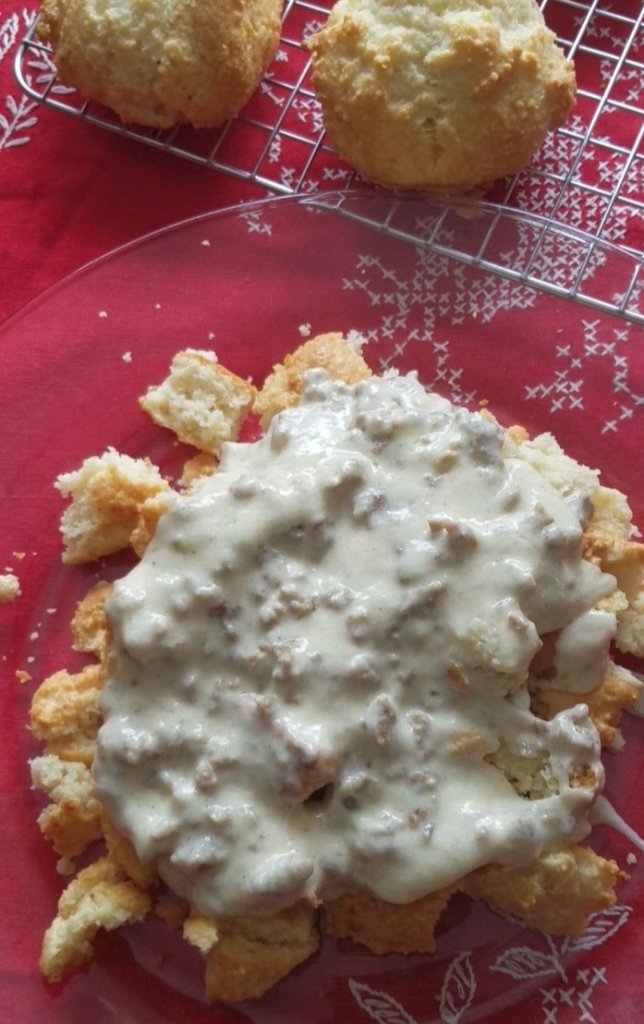
This recipe for sausage gravy can become dairy free easily when you use cashew milk instead of heavy cream. It is a neutral enough flavor that it will be a perfect substitute.
Low Carb Baileys Irish Cream Coffee Creamer Recipe

Either nut milk will work in this quick and easy recipe for a low carb coffee creamer made with low carb Baileys Irish Cream.
How to Make Cold Foam with Coffee Creamer Recipe

You can use the cashew milk in place of the heavy cream called for and the almond milk as the milk stand in for this easy recipe to make your own cold foam!
Air Fryer Recipes Beef Bread Breakfast Cakes Coconut Flour Cold Drinks Cookies and Bars Crockpot Recipes Dairy Free Desserts DIY Recipes Donuts Drinks Hot & Cold Fall Recipes Holiday Recipes Hot Drinks Ice Cream & Toppings Instant Pot Recipes Keto Condiments Keto Ingredients Kitchen Tips & Tricks Low Carb Side Dishes Main Dish Muffins Pies Pork Poultry & Seafood Pumpkin Puree Recipes Quick Gluten Free Lunches/Snacks Seasonal Recipes Skillet Meals Summer Recipes Uncategorized Waffles and Pancakes Winter Recipes
6 responses to “Almond Milk vs. Cashew Milk plus Easy Recipes To Make”
Thanks! I now know the difference! Didn’t know that Cashews and Almonds both come from a fruit. I do now! Thanks for the recipe!
This has helped save me a ton on my grocery bill! Thank you!
You are welcome! I love using the cashew one as a coffee creamer as it is so much thicker than the almond milk!
[…] Almond Milk vs. Cashew Milk plus Easy Recipes To Make […]
That’s such a great idea to freeze nut milk in ice cubes for smoothies! I usually make soy milk for my breakfast cereal, but I’ve found it’s not the best choice for smoothies. I really want to try your version!
Thank you Anna! I think the fat in it helps with creaminess. This is very true with the cashews! Excited to hear how it works for you😊 Thank you so much for your comment and visiting my site!