How to Season a Cast Iron Skillet with Bacon Grease
Cooking with cast iron is an important skill to know, so I will show you How to Season a Cast Iron Skillet with Bacon Grease to preserve these invaluable tools for cooking!
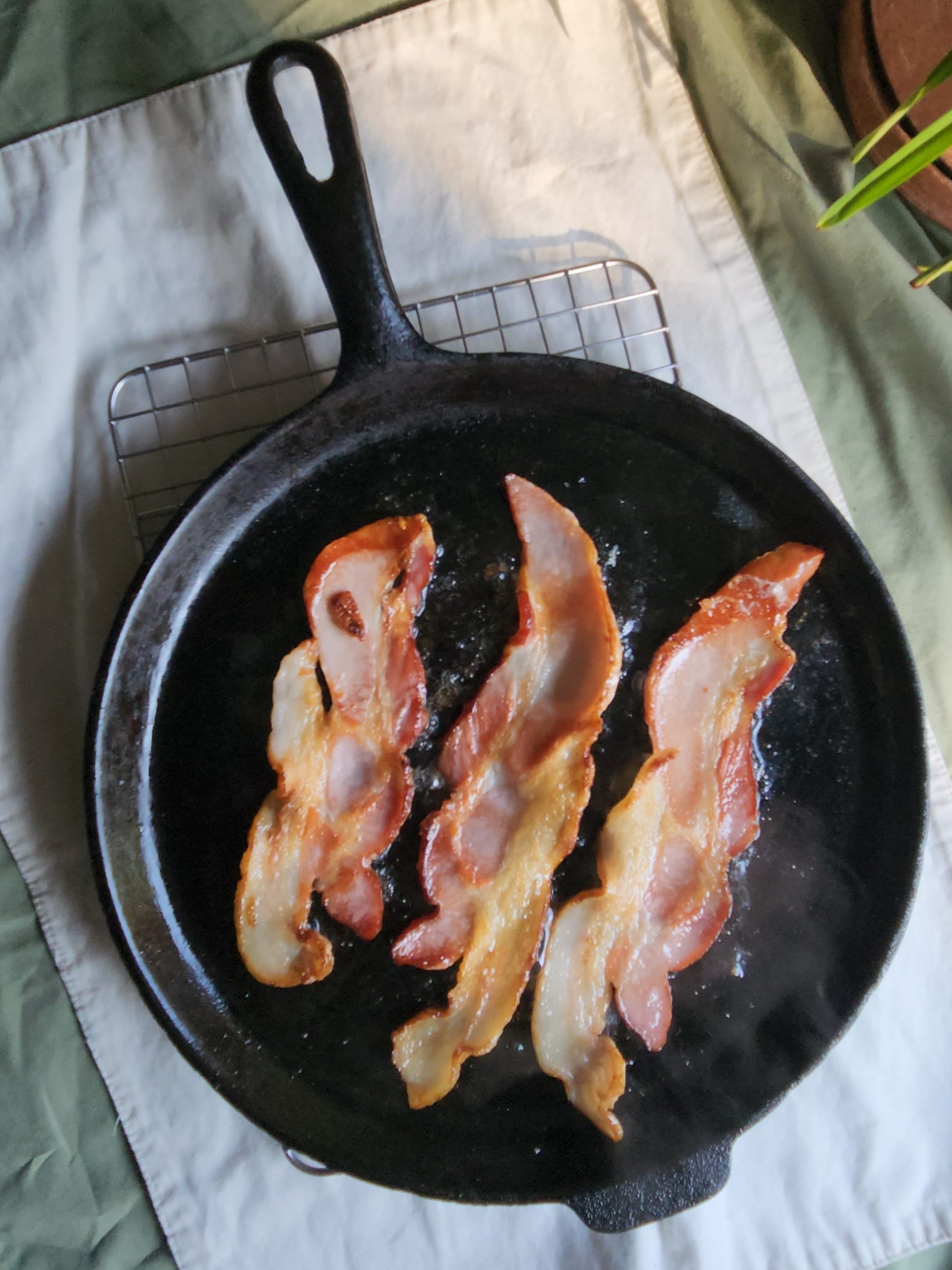
Each time I fry up some bacon I always have lots of bacon grease leftover.
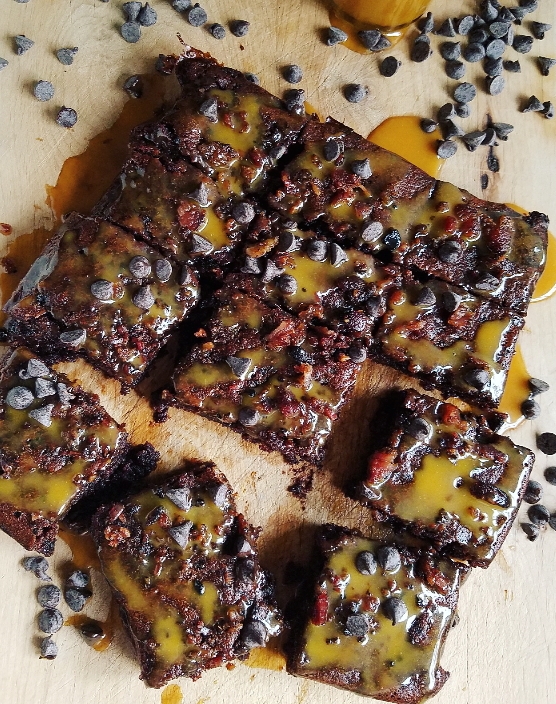
It is such a versatile ingredient to have so I always save it for later use, like in my recipe for Keto Caramel Bacon Brownies, or for seasoning my cast iron skillets!
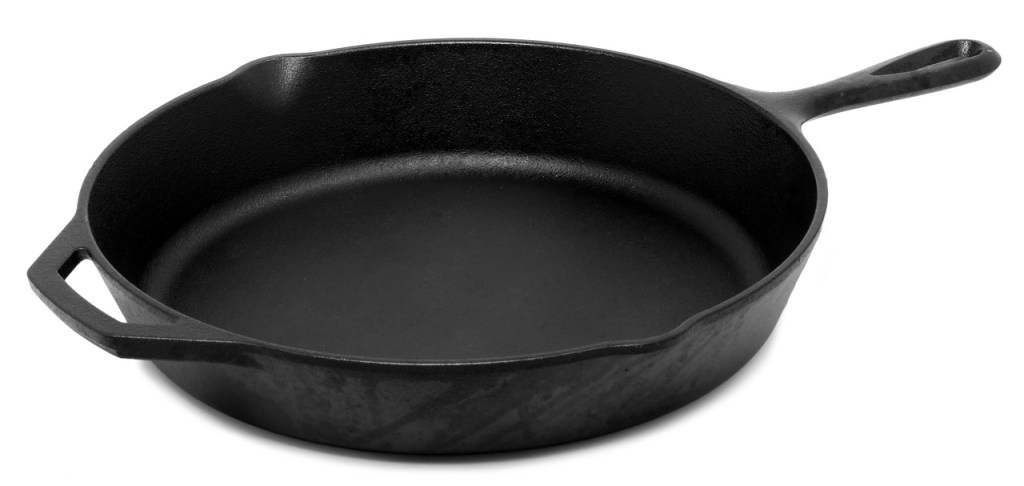
Cast iron skillets offer unparalleled heat retention, durability, and the ability to develop a natural non-stick surface through a process called seasoning.
I will go over how to properly season your cast-iron skillet with bacon grease as it is one of the best oils to use over vegetable shortening.
Not only does this method infuse your cookware with a distinct flavor, but it also enhances the cooking surface with non-stick properties.
I will guide you through the steps of seasoning while providing valuable insights into the benefits of cast iron cookware, how to properly wash it in-between uses, and then protect it until it is ready to use again.
Reasons why I recommend Cast Iron Cookware
Before we dive into the nitty-gritty of seasoning with bacon grease, let’s explore the numerous benefits associated with using cast iron cookware:
Superior Heat Retention:
Cast iron’s ability to evenly distribute and retain heat ensures consistent cooking temperatures and reduces hot spots wether you are using an electric rangetop or a gas stove.
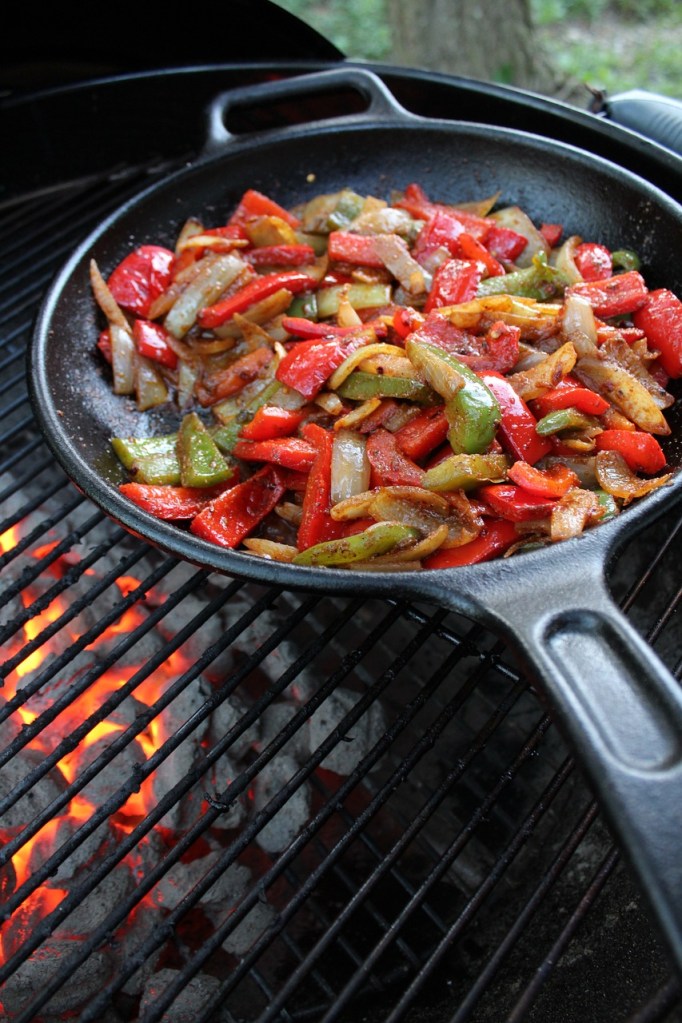
This even rings true over a fire for campfire cooking too! The best crispy bacon I have ever eaten came from cooking over a fire with my cast iron skillets!
Versatility:
Cast iron skillets are incredibly versatile and can be used on various heat sources, including stovetops, ovens, grills, campfires and even in your air fryer.
I love that I can just bring my skillets from home when we go camping instead of having special camp pans.
Usually camp ware is made of aluminum and is geared toward use on a small camp stove. It is made for medium-high heat at the most, not a roaring campfire with excessive heat.
Durability:
These skillets are built to last so with proper care of regular seasoning, it is one of the best things you can invest in. Out of all of the skillets I own, one is a Wagner griddle skillet and my favorite.
I actually found it in an abandoned cabin in the woods while hiking. It was rusted, but cleaned up quickly and is still frequently used even to this day 15 years later!
Non-stick Surface:
Seasoning forms a natural non-stick surface, reducing the need for excessive oil or butter when cooking. This is especially helpful when searing meats or even baking in them as they get better each time.
Check out my cook book that dedicates a third of the recipes to cooking in a cast iron skillet, “Chaffles, Cast Iron and The Crock”.
Iron Enrichment:
Cooking in cast iron can increase the iron content of your food, especially when cooking acidic foods or high-moisture dishes. I love simmering my Keto Marinara Sauce in it when I have time to do so!
Adds Flavor:
Over time, the seasoning of your cast iron skillet from fatty acids creates a unique layer in the iron that enhances the flavors of your OTHER dishes.
Every time you cook or bake in a seasoned pan, especially frying bacon, the hot grease adds thin layers to the iron that gives it a unique flavor.
Home cooks know how amazing cast iron can be for its amazing flavor that cannot be beat! Each time you cook with it, it adds layers of seasoning on top of the initial seasoning so the next time you use it its even better!
Cost-Effective:
Cast iron cookware is relatively affordable and is one of the best investments you can make for your kitchenware.
The best way to stock your kitchen with cast-iron cookware is to visit local flea markets, thrift stores and garage sales. If it does not have any cracks or chips and is in overall good shape, it is worth cleaning up.
You can clean cast iron easily with some steel wool to remove grease, then season as I show you here. Do not use any harsh detergents as that will strip away the natural layers built up over time.
The best brands are Wagner and Lodge. Even if it does not have a stamp of the brand on the bottom, it is still the best pan you can choose! Just follow the instructions on how to properly season it and you will have a well-seasoned cast iron pan in no time.
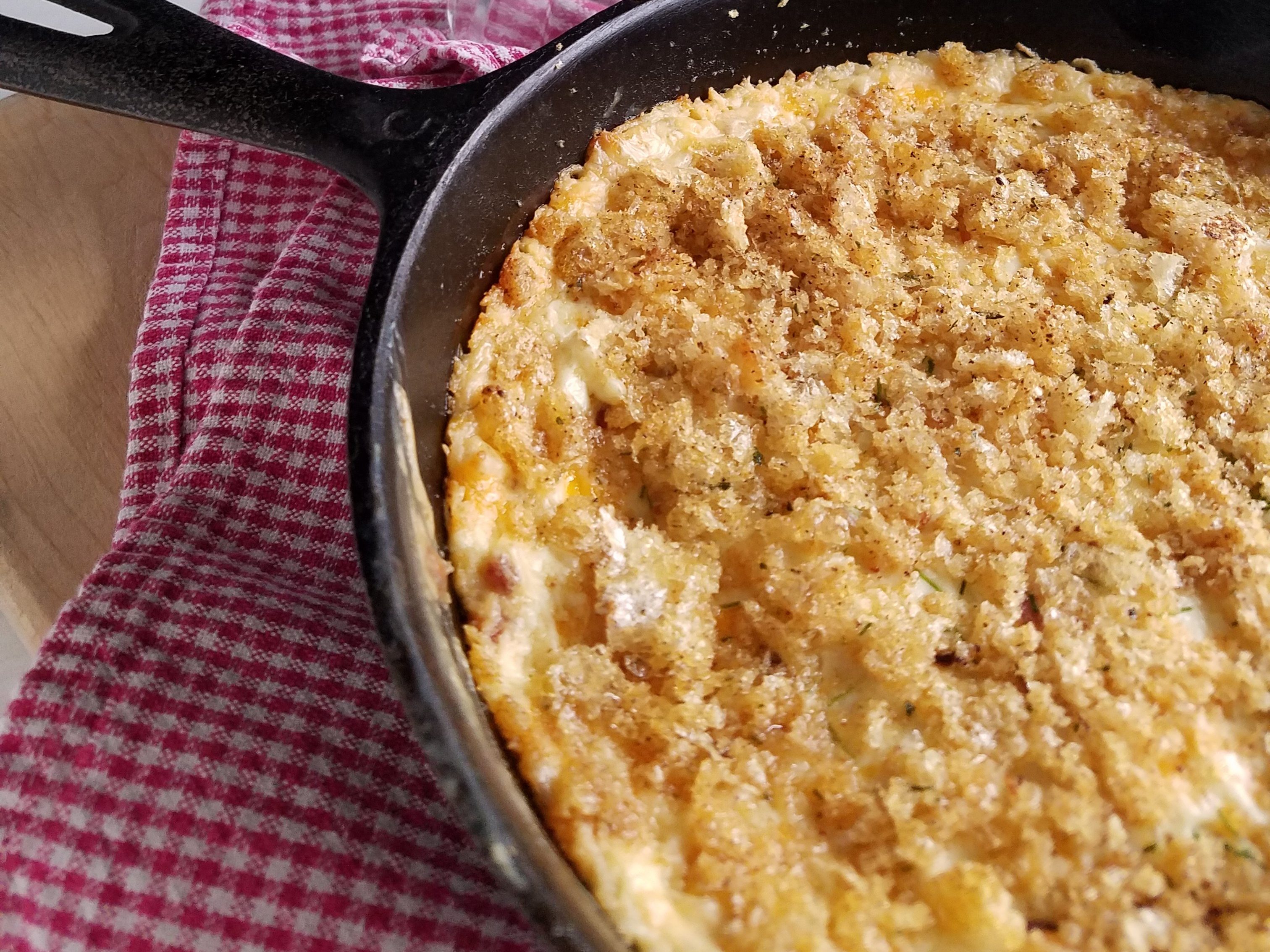
You will need some Bacon Grease for Seasoning your skillet
If you do not have a skillet to fry your bacon with then you can render your own bacon grease in the oven.
The right way to do it where you are able to save the bacon grease is to place wire racks on the baking sheet so the grease will fall through.
Line your bacon strips perpendicular to the wire rack and bake at 400F for 10 minutes.
After 10 minutes determine additional baking time on how you want your bacon cooked.
I continue to cook it for an additional 10 minutes since my family loves crispy bacon.
Once it is cooked all of the way then remove the pan from the oven, remove the bacon from the baking sheet and let it cool for 10 minutes.
When the baking sheet has cooled, slowly pour it into an airtight jar using a funnel.
Rendering bacon grease this way eliminates the need to filter the crispy bits from the grease.
Store bacon grease in the fridge as it will go rancid at room temperature.
You can then use grease whenever you need to as it melts quickly.
Now let’s go over the seasoning of the pan with bacon grease
Follow this easy way with simple steps to season cast iron skillets, cast iron pans and Dutch ovens. Although we are talking about a cast-iron pan, you can also use this seasoning process on any cast iron cookware you may have.
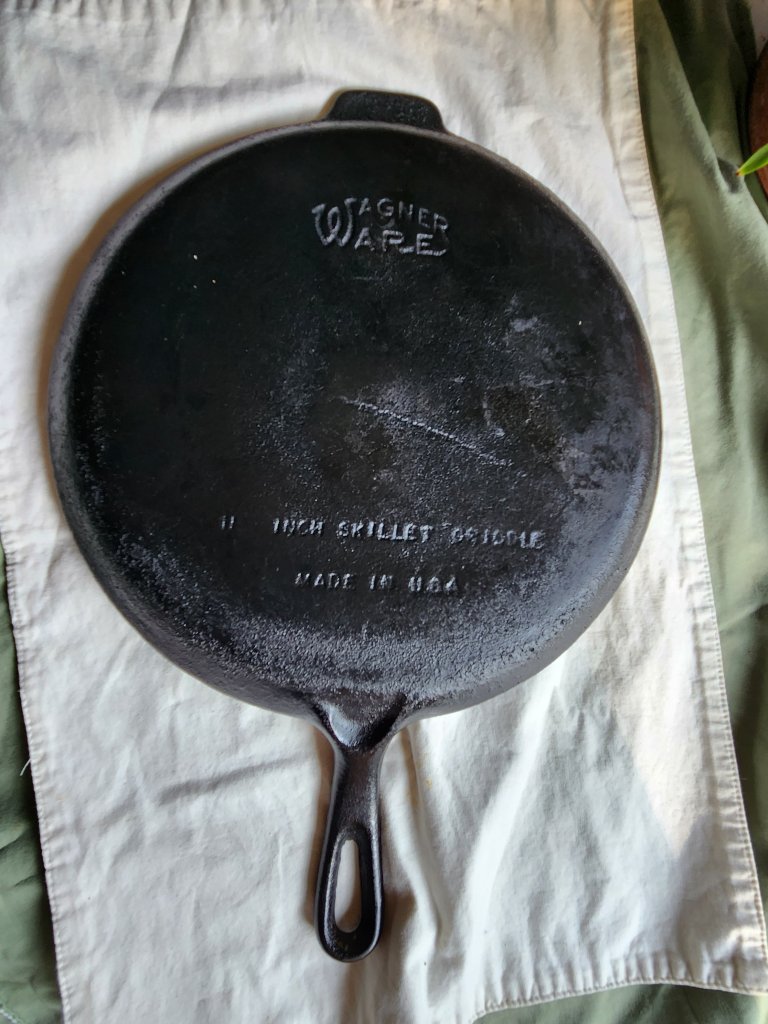
Step 1: Preparing Your Skillet
Start by ensuring your cast iron skillet is clean and free from any dirt or rust. If necessary, gently scrub it with a non-metal brush and warm soapy water.
Rinse thoroughly and dry completely. If it has stubborn bits of food stuck on it, use a plastic scraper tool, never a metal one. Metal will remove the built up layers that may be present.

Step 2: Preheating the Skillet
Preheat your oven to 350°F (175°C) and place your skillet upside down inside of the oven to allow any excess moisture to evaporate while preheating. You want to make sure that the water from cleaning is gone when you go to add the grease to the inside of the pan.
Step 3: Applying the Bacon Grease
Once the skillet has preheated for about 10 minutes, carefully remove it from the oven using oven mitts or a heat-resistant glove and apply a thin layer of bacon grease to the entire surface of the skillet. Make sure to include the handle as well.
Using a paper towel, I hold it with my main 3 fingers, dip in the grease, then spread all around. You only want a thin layer of oil on it until it has absorbed. The oil should not be dripping off at all. If you did get too much the first time, just drip the excess bacon grease into your glass jar of leftover bacon grease.
Now use a clean cloth or paper towel to gently wipe off any excess grease or oil from the entire pan. The goal is to create a thin, even coating on the skillet. Using only a thin layer is the better way to season since the excess will just burn off or drip off in the oven and be wasted. Less is more here in this situation!

Step 4: Baking the Skillet
Place the skillet back in the oven, right side up, on the middle rack and bake it for about an hour. This process polymerizes the bacon grease, creating a natural non-stick surface and promoting the formation of the pan’s seasoning.
Step 5: Cooling and Repeating
After an hour, turn off the oven and allow the skillet to cool inside the oven. Once it has reached room temperature, repeat steps 3 to 6 for additional layers of seasoning.
Cast iron skillet experts recommend applying at least three to four layers for best results and getting your non-stick surface to last.
Step 6: Maintaining Your Seasoned Skillet
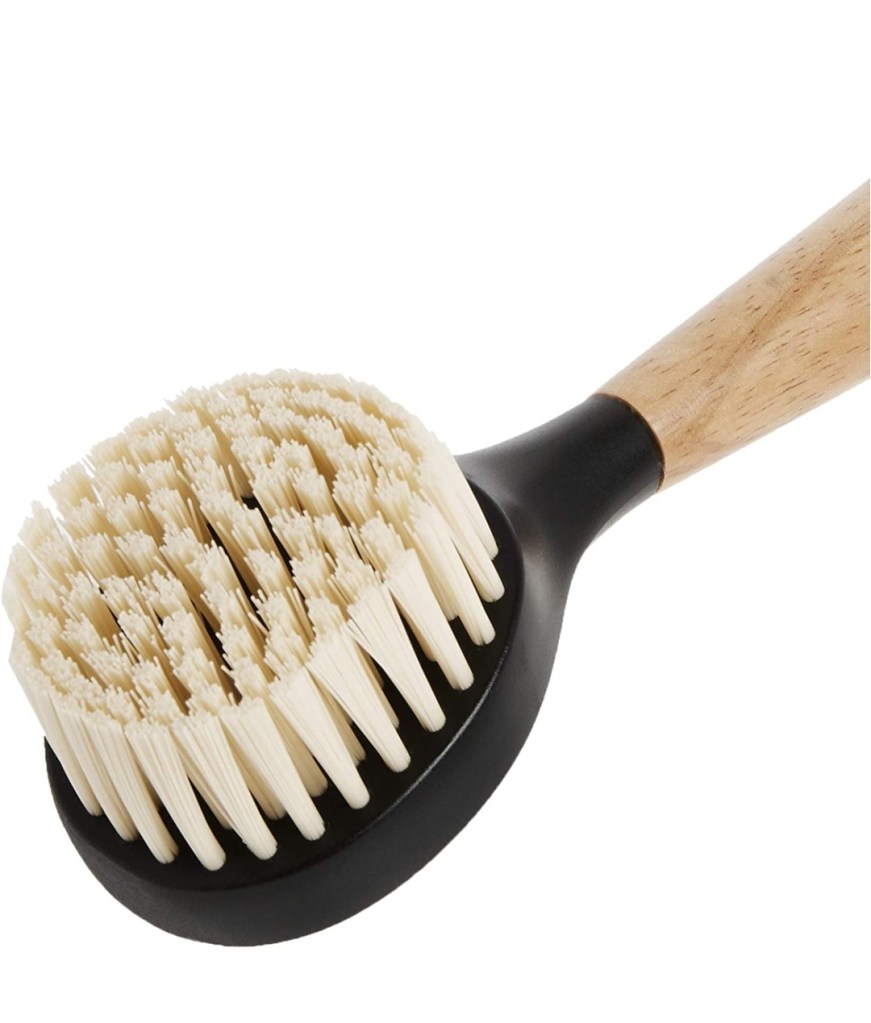
To maintain your seasoned cast iron skillet, always clean it with hot water and a stiff brush after each use. I purchased mine from Lodge and it has done a great job cleaning my pans over and over.
I only use this scrub brush with very hot water for my cast iron skillets and nothing else. Avoid using dish soap, as it can strip away the seasoning you have or have worked hard to establish.
The only reason I would ever use dish soap is if I cook fish in the skillet. I immediately dry it and cover with a thin layer of bacon grease right away.
Always dry the skillet thoroughly and apply a light coating of oil before storing it. Make sure you wipe out the excess oil before putting it away so you do not attract pests from the bacon grease.

Frequently Asked Questions (FAQs):
- How often should I season my cast iron skillet? Once you season your cast iron skillet, if you keep up the proper cleaning process as described above, it will stay seasoned for a long time without the need to re-season it.
- Can I use other fats or oils instead of bacon grease for seasoning? You can technically use whatever grease you want, it just needs to have a high smoke point which means it will smoke at a higher temperature. If you use something like vegetable oil, olive oil or flaxseed oil it may form a sticky residue on the pan. I only recommend using oils that will not cause your smoke alarm to go off because they are burning. Ones like grapeseed oil or coconut oil are better alternatives if you are not wanting to use animal fats.
- What if my cast iron skillet is already rusted? Then it will take a lot of elbow grease to clean it, but if it is not too rusty and in good condition without cracks, then it can be saved. One of the easiest ways to clean a rusted cast iron skillet is to scrub it down with dish soap and steel wool. This will remove the layers of rust and get down to the most bare iron so you can start the seasoning process.
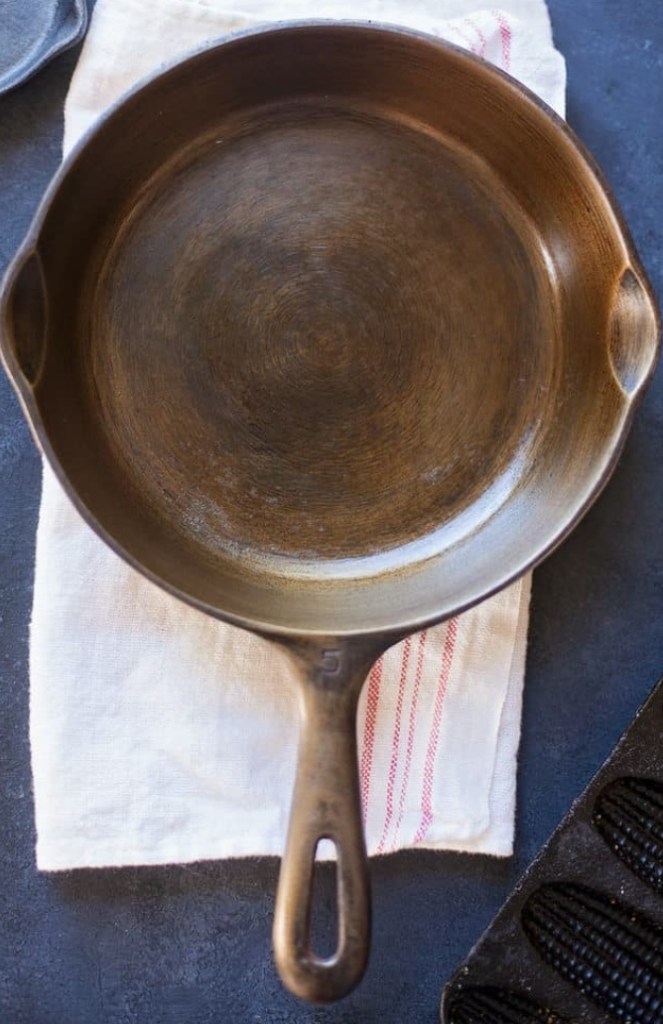
- Is it necessary to season a new cast iron skillet? This all depends on if it says it is “seasoned” or not. Most times with a new cast iron pan, it is already seasoned when you buy it. If for some reason it is shiny silver, then you have a brand new pan. It must be seasoned quite a few times to get it up to the nonstick surface we are looking for. Funny story, when I first moved out when I was 17, I went to the Dollar General Store and purchased a cast iron skillet. I wanted to have something to commemorate my stepping out into the world on my own. How perfect with a cast iron skillet. I had no idea I was to season it before using it. I just thought it was shiny cause it was new and not used. Then I found out the hard way as I proceeded to use it for cooking bacon. It stuck so bad, it took a lot to scrape it off and clean it. After chatting with my Grandma Bettie, I realized I had to season it before using it again. This same skillet is my main skillet I use in all of my cooking. As you see my recipes using a cast iron skillet you will see this skillet.
- How can I remove stuck-on food from my cast iron skillet? I have a plastic scraper tool that I use to remove stuck on food. Using warm water, let the food soften up. Scrape well then finish off with a scrub brush. Like I mentioned earlier, I have a special one I use only for my cast iron skillets.
- Can I use my cast iron skillet on an induction cooktop? Yes, it is possible to use your cast iron skillet on an induction cooktop. You must always proceed with extreme care when you are though. The cast iron skillet will break your glass top if you hit it too hard. I always set the skillet down very slowly, and try as I may to not push the skillet around on it. If you need to move it, move it very carefully. I do not push it around on the cooktop because the little bits on the bottom of the pan can cause micro scratches in the glass. I have had no issues so far using the cast iron skillets on my own induction cooktop.
- Can I season a cast iron skillet on the stovetop instead of the oven? It is difficult to get the surface completly warmed all around when it is on the stovetop. You can however get the inside seasoned well. Turn your burner to a medium heat. Starting with a cold pan, spread about a tablespoon of oil or bacon fat in the skillets inside. Leave it to sit over the heat until the oil starts to melt. Now turn it to a medium-low heat for about 5 minutes. Now remove it from the heat and wipe out the excess fat. Let the skillet cool completely. Now repeat the process as many times as you need.
- Can I cook acidic foods in a cast iron skillet without damaging the seasoning? Yes you can. It is encouraged to cook acidic foods in your cast iron skillet as it imparts the mineral iron into your food from the iron of the pan. Once you are done cooking in it, make sure you clean it with warm water and then follow the directions above to do a short seasoning on the stovetop.
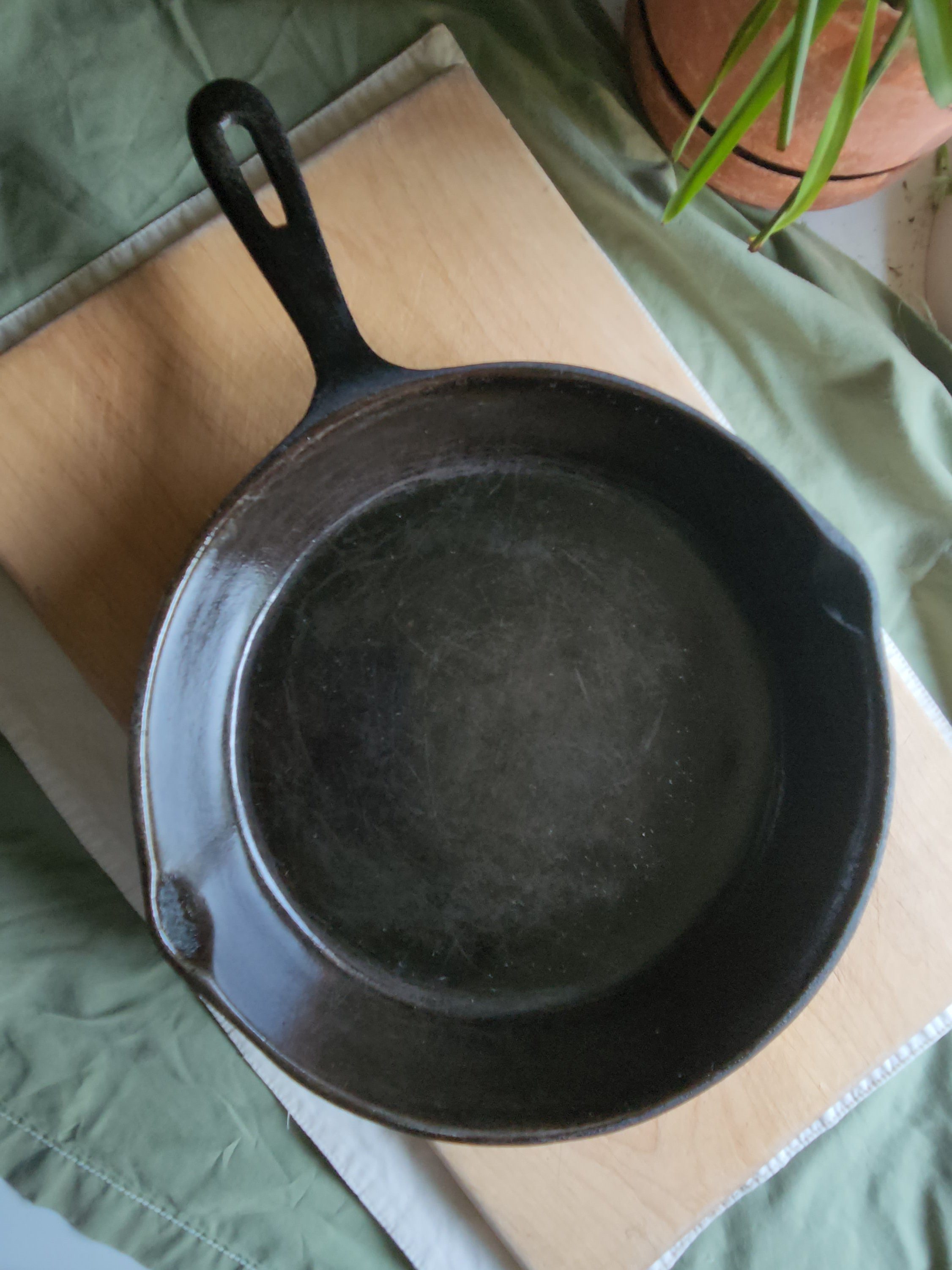
Seasoning a cast iron skillet with a little bacon grease is a rewarding and straightforward process that not only imparts a delicious flavor to your dishes but also enhances the durability and non-stick properties of the cookware.
By following these steps outlined, you’ll be able to achieve a perfectly seasoned cast iron skillet that will serve you for years to come.
Remember to maintain your seasoned skillet with proper cleaning and occasional re-seasoning with a neutral cooking oil to preserve its integrity.
Embrace the tradition and time-tested benefits of using cast iron cookware for all of your stovetop cooking or baking needs.
From superior heat retention to versatility from stovetop right to the oven, this chemical-free way of cooking makes a cast iron skillet an invaluable tool in any kitchen.
Invest in one today whether new or used and experience the joy of cooking with a true culinary companion that can be cherished across generations.
How to Season a Cast Iron Skillet with Bacon Grease
Equipment
- Stovetop or Oven
Materials
- 1 cast iron skillet
- 2 tbsp bacon grease
- 2 dry paper towels
Instructions
Step 1: Preparing Your Skillet
- Start by ensuring your cast iron skillet is clean and free from any dirt or rust. If necessary, gently scrub it with a non-metal brush and warm soapy water. Rinse thoroughly and dry completely. If it has stubborn bits of food stuck on it, use a plastic scraper tool, never a metal one. Metal will remove the patina that may have been already built up.
Step 2: Preheating the Skillet
- Preheat your oven to 350°F (175°C). Place your skillet upside down in the oven to allow any excess moisture to evaporate while preheating. Water is great for cleaning, but is not wanted when you go to add the grease that will season the inside of the pan.
Step 3: Applying the Bacon Grease
- Once the skillet has preheated for about 10 minutes, carefully remove it from the oven using oven mitts or a heat-resistant glove, apply a thin layer of bacon grease to the entire surface of the skillet, including the handle with a paper towel. I hold the paper towel with my main 3 fingers, dip in the grease, then spread all around. You only want a thin layer of oil. It should not be dripping. If you got too much the first time, just drip the excess bacon grease into your glass jar of leftover bacon grease.
Step 4: Removing Excess Grease
- Using a clean cloth or paper towel, gently wipe off any excess grease or oil from the entire pan. The goal is to create a thin, even coating on the skillet that does not drip off when turned upside down. Using only a thin layer is the better way to season as the excess will just burn off or drip off and be wasted. Less is more here in this situation!
Step 5: Baking the Skillet
- Place the skillet back in the oven, right side up, on the middle rack and bake it for about an hour. This process polymerizes the bacon grease, creating a natural non-stick surface and promoting the formation of the pan’s seasoning.
Step 6: Cooling and Repeating
- After an hour, turn off the oven and allow the skillet to cool inside the oven. Once it has reached room temperature, repeat steps 3 to 6 for additional layers of seasoning. Experts recommend applying at least three to four layers for optimal results.
Step 7: Maintaining Your Seasoned Skillet
- To maintain your seasoned cast iron skillet, always clean it with hot water and a stiff brush after each use. I purchased mine from Lodge and it has done a great job cleaning my pans over and over. I only use this scrub brush for my cast iron and nothing else. Avoid using dish soap, as it can strip away the seasoning you have or have worked hard to establish. The only reason I would ever use dish soap is if I cook fish in the skillet. I immediately dry it and cover with a thin layer of bacon grease right away. Always dry the skillet thoroughly and apply a light coating of oil before storing it. Make sure you wipe out the excess oil before putting it away so you do not attract pests from the bacon grease.
Notes
- How often should I season my cast iron skillet? Once you season your cast iron skillet, if you keep up the proper cleaning process as described above, it will stay seasoned for a long time without the need to re-season it.
- Can I use other fats or oils instead of bacon grease for seasoning? You can technically use whatever grease you want, it just needs to have a high smoke point which means it will not smoke at a higher temperature. If you use something like vegetable oil, olive oil or flaxseed oil it may form a sticky residue on the pan. I only recommend using oils that will not cause your smoke alarm to go off because they are burning. Ones like grapeseed oil or coconut oil are better alternatives if you are not wanting to use animal fats.
- What if my cast iron skillet is already rusted? Then it will take a lot of elbow grease to clean it, but if it is not too rusty and in good condition without cracks, then it can be saved. One of the easiest ways to clean a rusted cast iron skillet is to scrub it down with dish soap and steel wool. This will remove the layers of rust and get down to the most bare iron so you can start the seasoning process.
- Is it necessary to season a new cast iron skillet? This all depends on if it says it is “seasoned” or not. Most times with a new cast iron pan, it is already seasoned when you buy it. If for some reason it is shiny silver, then you have a brand new pan. It must be seasoned quite a few times to get it up to the nonstick surface we are looking for. Funny story, when I first moved out when I was 17, I went to the Dollar General Store and purchased a cast iron skillet. I wanted to have something to commemorate my stepping out into the world on my own. How perfect with a cast iron skillet. I had no idea I was to season it before using it. I just thought it was shiny cause it was new and not used. Then I found out the hard way as I proceeded to use it for cooking bacon. It stuck so bad, it took a lot to scrape it off and clean it. After chatting with my Grandma Bettie, I realized I had to season it before using it again. This same skillet is my main skillet I use in all of my cooking. As you see my recipes using a cast iron skillet you will see this skillet.
- How can I remove stuck-on food from my cast iron skillet? I have a plastic scraper tool that I use to remove stuck on food. Using warm water, let the food soften up. Scrape well then finish off with a scrub brush. Like I mentioned earlier, I have a special one I use only for my cast iron skillets.
Don’t forget to PIN the pinnable recipe card to your Pinterest board or print out the full recipe card.
We are affiliates with various companies and earn a small commission from these companies when you purchase through my affiliate links.
This is at no extra cost to you.
Thank you for supporting my site and also purchasing through these links to help me to create new keto recipes for you to try!
I love it when you leave a comment with your results.
We all have our own ideas and ways of making recipes so you may share some new things I have not thought of!
Come follow me on social media as I post new recipes and videos on Instagram and Pinterest all the time!
If you love cast iron as much as I do, then you would absolutely LOVE my 2nd cookbook “Chaffles Cast Iron and The Crock” !!

Try these recipes that you can cook now with your skillet!
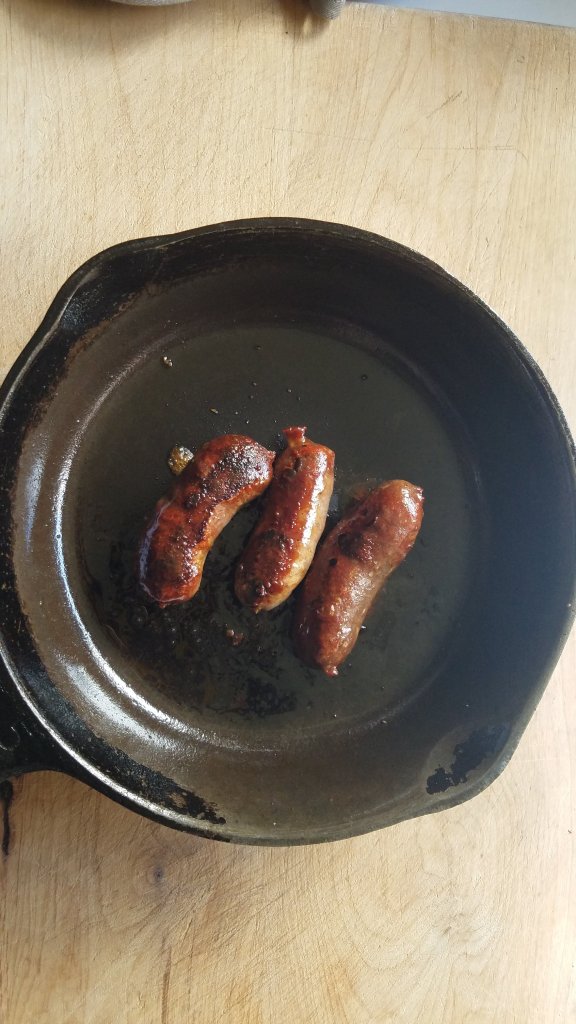
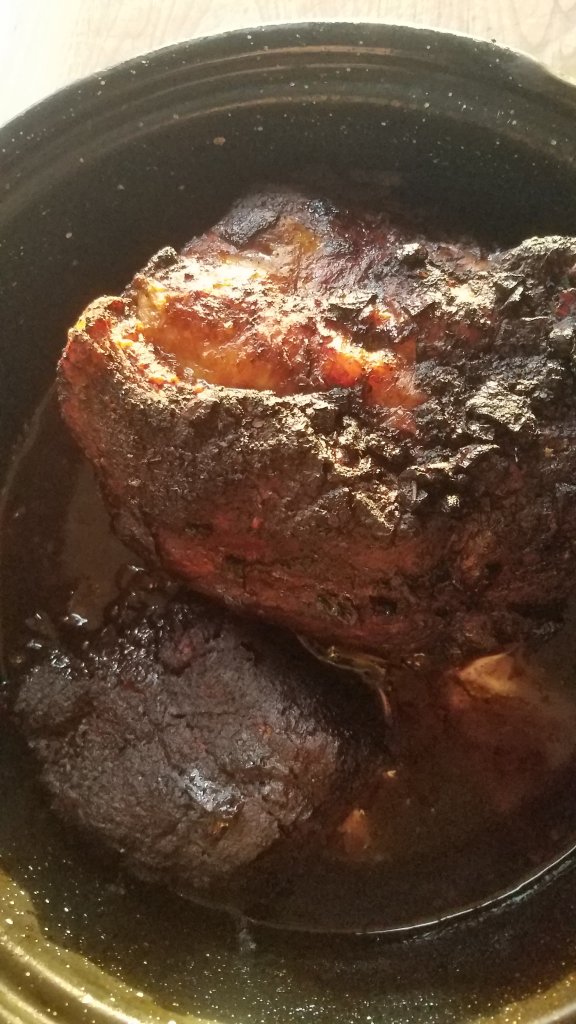

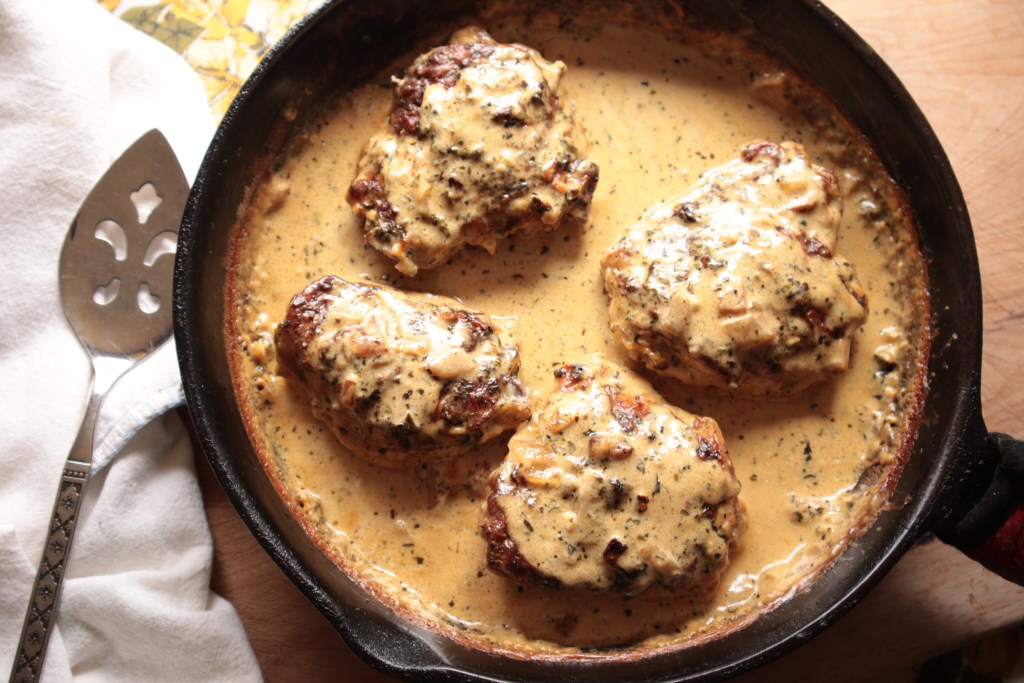
- Make a Keto Apple Skillet Cake with Salted Caramel Drizzle (gluten free) for dessert!
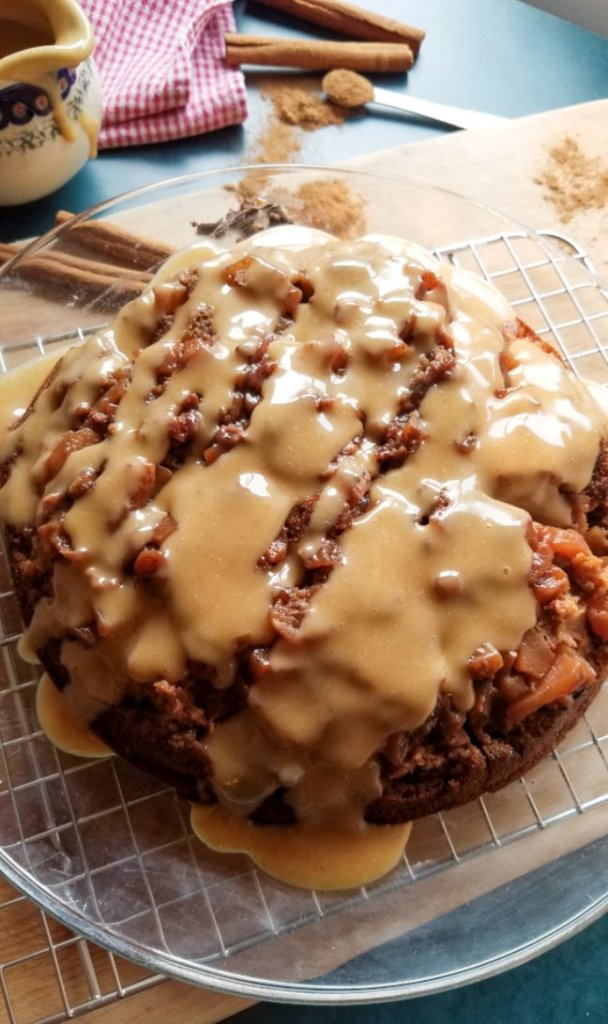
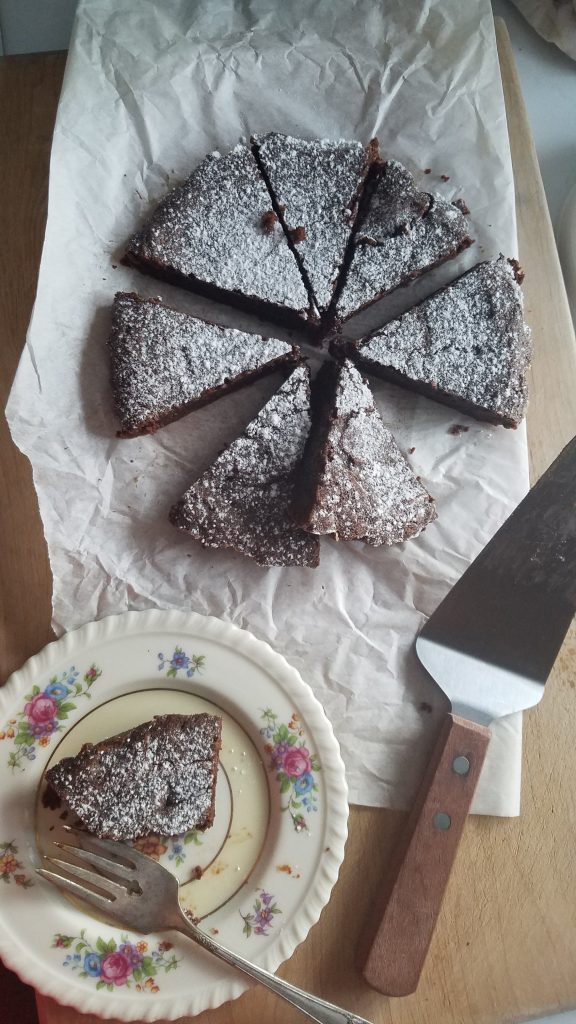
- Or try a chocolate cake with this Easy Flourless Chocolate Cake Recipe (Gluten Free and Keto)
One response to “How to Season a Cast Iron Skillet with Bacon Grease”
[…] make the dippers, can I just make the pancakes in a skillet? Yes, you can! Just use a well-seasoned cast iron skillet, frying pan, nonstick pan or nonstick skillet over medium heat. Grease a little with oil or cooking […]