


How to Store Morel Mushrooms Without Losing Flavor
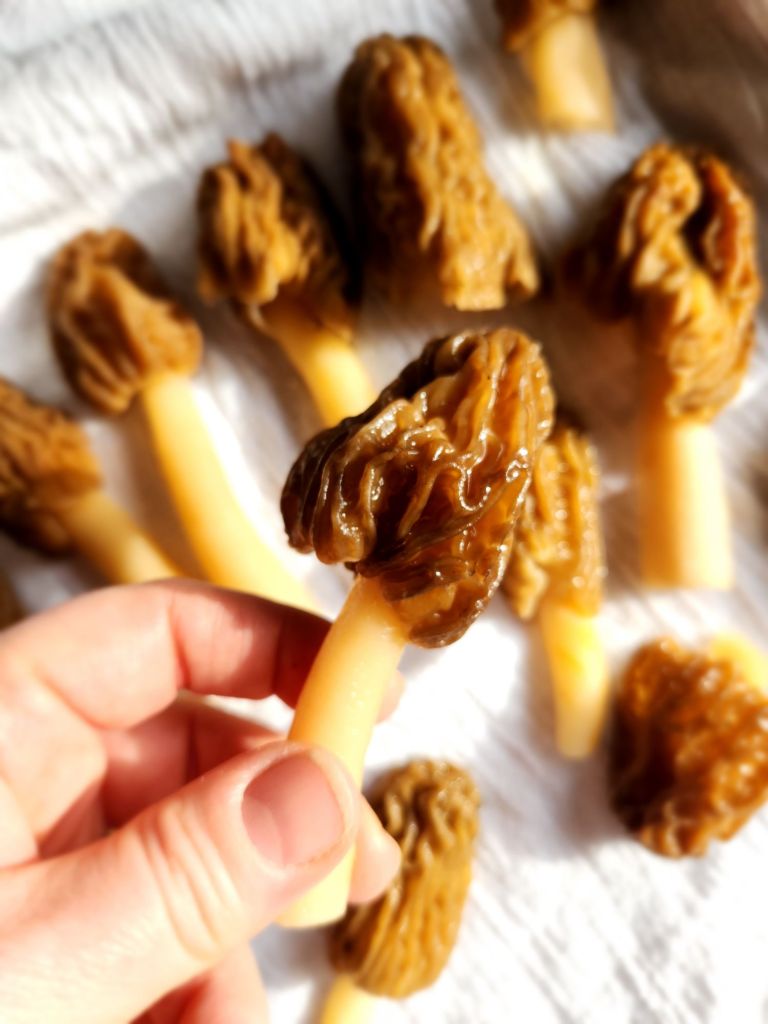
Morel mushrooms, a prized delicacy among mushroom enthusiasts, are a culinary treasure sought after for their unique taste and meaty texture. These mushrooms, with their cone-shaped cap and hollow stem, are a favorite among seasoned foragers.
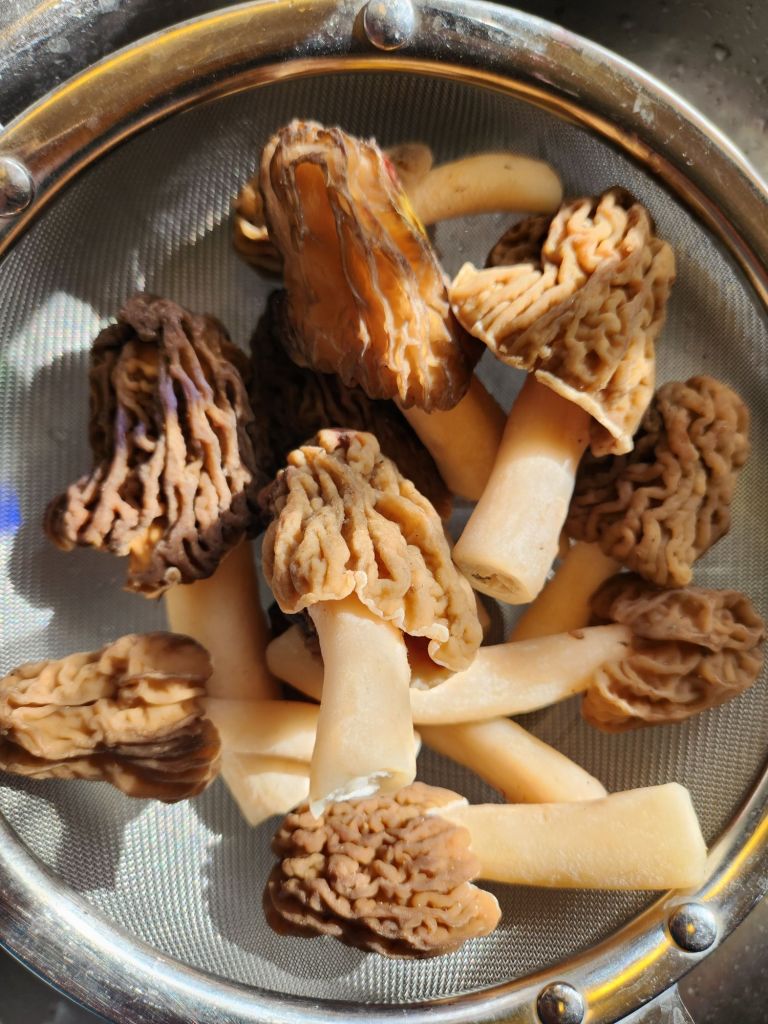
In North America you can expect the arrival of wild mushrooms during the typical morel mushroom season of late March through early spring. However, once you’ve secured your bounty, hopefully collecting them in a mesh bag, knowing how to properly store this type of wild mushroom becomes crucial to preserving their earthy flavor and extending their shelf life.
In this comprehensive guide, we’ll explore the best methods for proper storage, whether in the fridge, freezer, or through dehydration. We’ll delve into the essential steps of cleaning and preparing morels for storage, discuss their culinary versatility, and address common questions and concerns that arise among mushroom hunters.
Identifying Real Morels
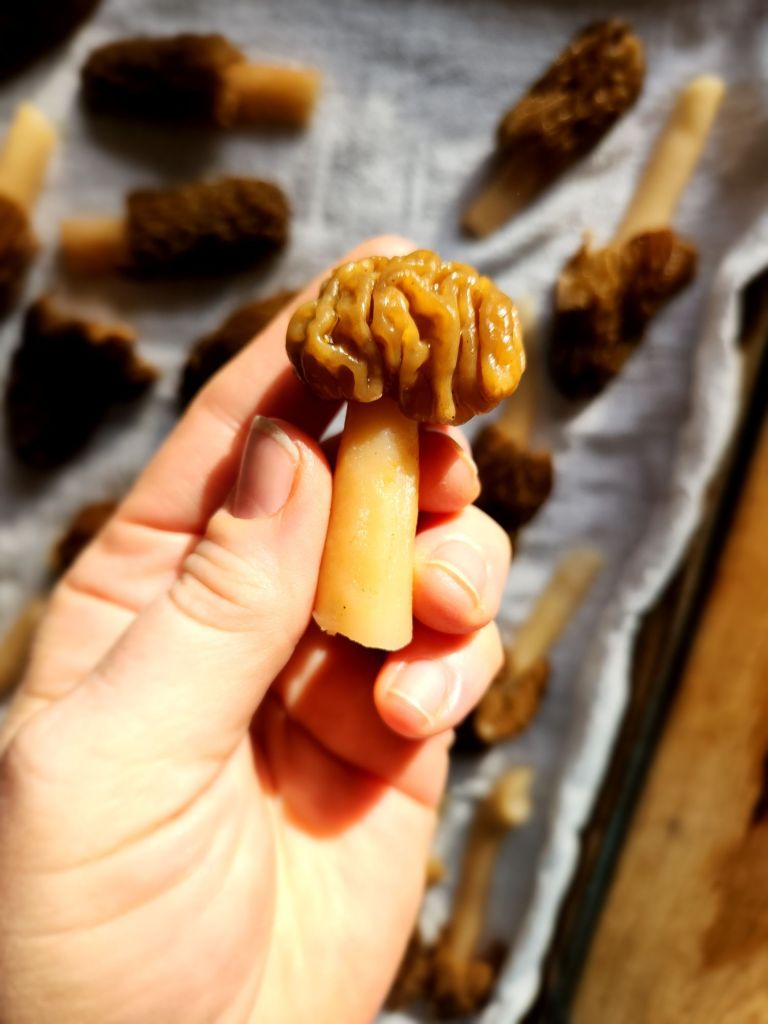
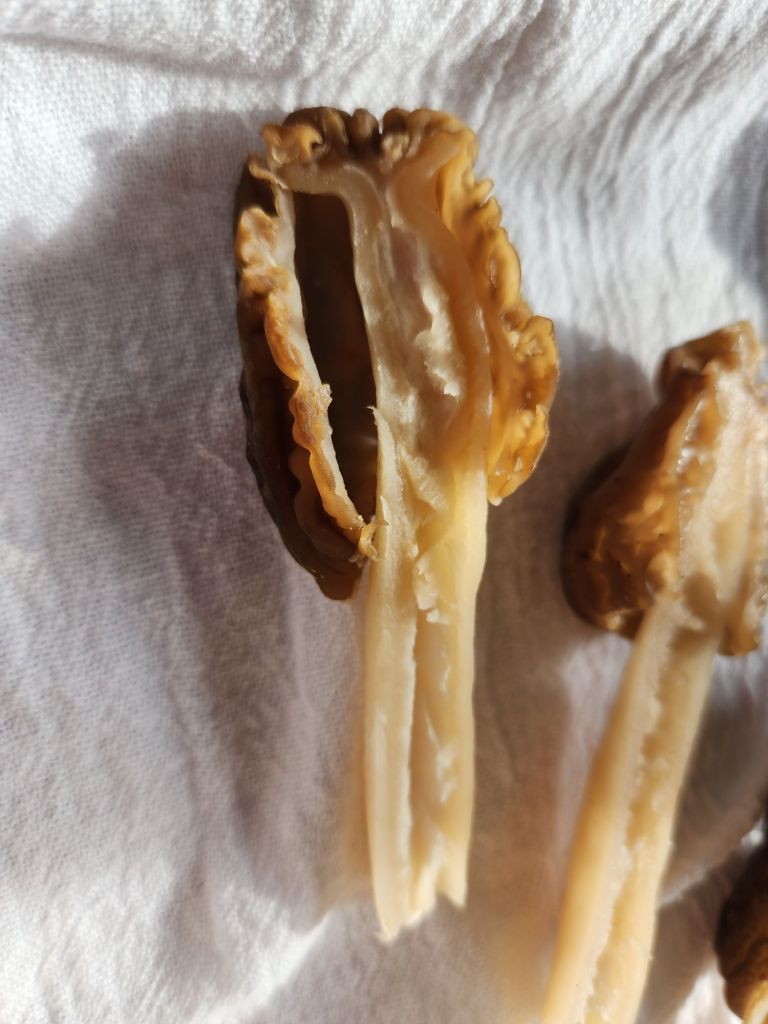
Before we dive into storage techniques, it’s essential to differentiate between true morels and false morels. While true morels (genus Morchella) are prized for their culinary value, false morels (such as Gyromitra species) can be toxic if consumed.
True morels have a distinctive honeycomb-like appearance, with a cap that is attached to the stem, while false morels often have a wrinkled or lobed cap that is not attached.
When foraging for morels, it’s crucial to consult with experienced mushroom hunters or reference reputable field guides to ensure you’re harvesting the real deal. These earthy, honeycomb treasures are worth their weight in gold, but you have a problem if you store them wrong.

They will turn into a slimy, wasted mess by tomorrow morning. Most foragers and buyers from farmers’ markets make critical mistakes in the first 24 hours that ruin texture, flavor, and shelf life.
The difference between morels that last two days and morels that stay usable for months comes down to knowing which storage method matches your timeline and how you plan to cook them.
Here is exactly how to preserve every ounce of that wild forest flavor.
Why Fresh Morel Mushrooms Require Different Storage Than Other Mushrooms
Morels are not your average grocery store button mushrooms. Their hollow, sponge-like structure traps moisture, dirt, and tiny insects, which means they rot faster and require more careful handling than dense varieties.

What makes morels so fragile:
- High surface area. The pitted caps collect condensation and bacteria quickly when stored in plastic or airtight containers.
- Thin cell walls. Morels break down rapidly once their structure is compromised by moisture or rough handling.
- Wild harvested nature. Unlike cultivated mushrooms, morels come with forest debris and microscopic organisms that accelerate decay if not cleaned properly.
This is why the number one rule of morel storage is controlling moisture exposure immediately after harvest or purchase. Even an extra hour sitting in a closed bag can cut your usable window in half. The fresher they are when you start the storage process, the longer they will stay viable no matter which method you choose.
If you are planning to cook them within three days, focus on refrigeration. If you want to preserve your mushrooms long-term, then drying or freezing becomes essential.
Clean Your Morels the Right Way Before Storage
Never store mushrooms that are dirty. Morels contain soil and debris which not only shortens shelf life but can also ruin texture during cooking.

Here is the cleaning process that protects the mushroom while removing contaminants:
- Brush off loose dirt. Use a soft mushroom brush or dry paper towel to gently remove surface debris without adding water.
- Inspect for insects. Slice larger morels in half lengthwise and check the hollow interior for bugs, one of the secret spots they love to hide inside.
- Rinse only if absolutely necessary. If you must wash them, do it quickly by dunking in a bowl of cool water or in a strainer over a bowl and immediately pat them completely dry with clean towels.
- Air dry for 30 minutes. Lay cleaned morels on a wire rack or towel in a single layer to let any remaining moisture evaporate before storage.
Wet morels are dead morels when it comes to storage. Even a small amount of trapped water accelerates spoilage and creates that dreaded slime factor. If your morels are damp when they go into the fridge, expect them to deteriorate within 24 hours.
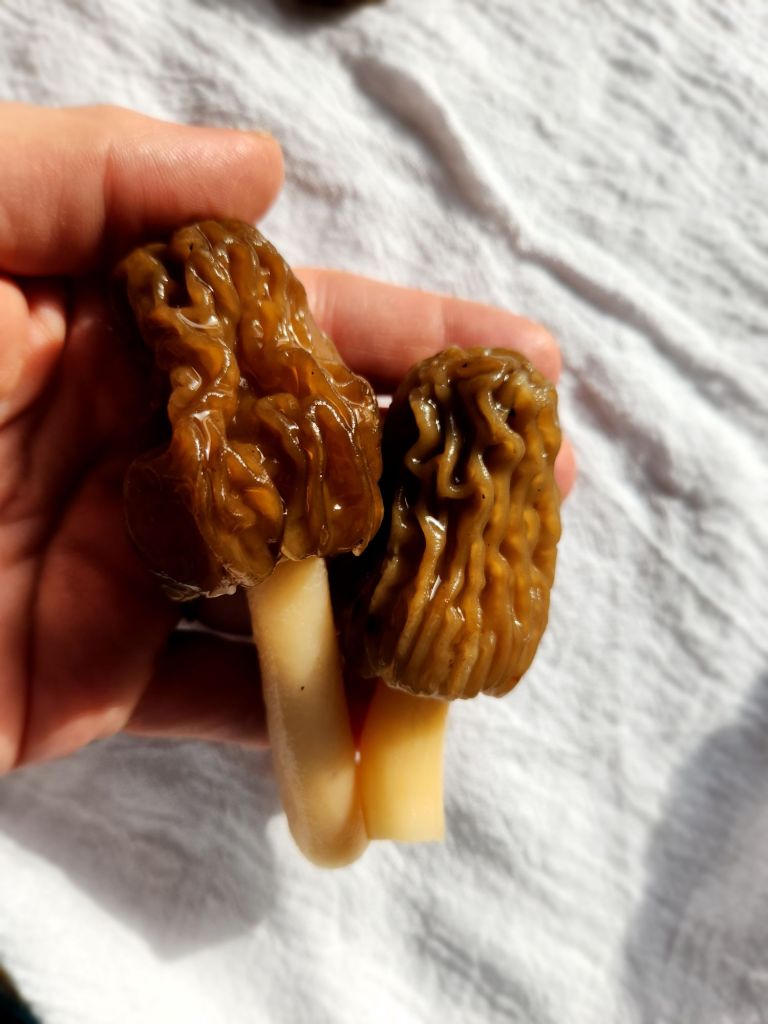
Some foragers prefer the dry brush method entirely and save washing for right before cooking. This approach works exceptionally well if your morels are relatively clean and you plan to cook them within a few days. The less water they encounter during storage, the firmer and more flavorful they stay.
You can also use dental floss to get in-between the layers of the delicate cap. A salt water soak also works for debris and possible worms in the caps.
Refrigerator Storage for Fresh Morels
This is your go-to method when you plan to cook morels within two to four days.
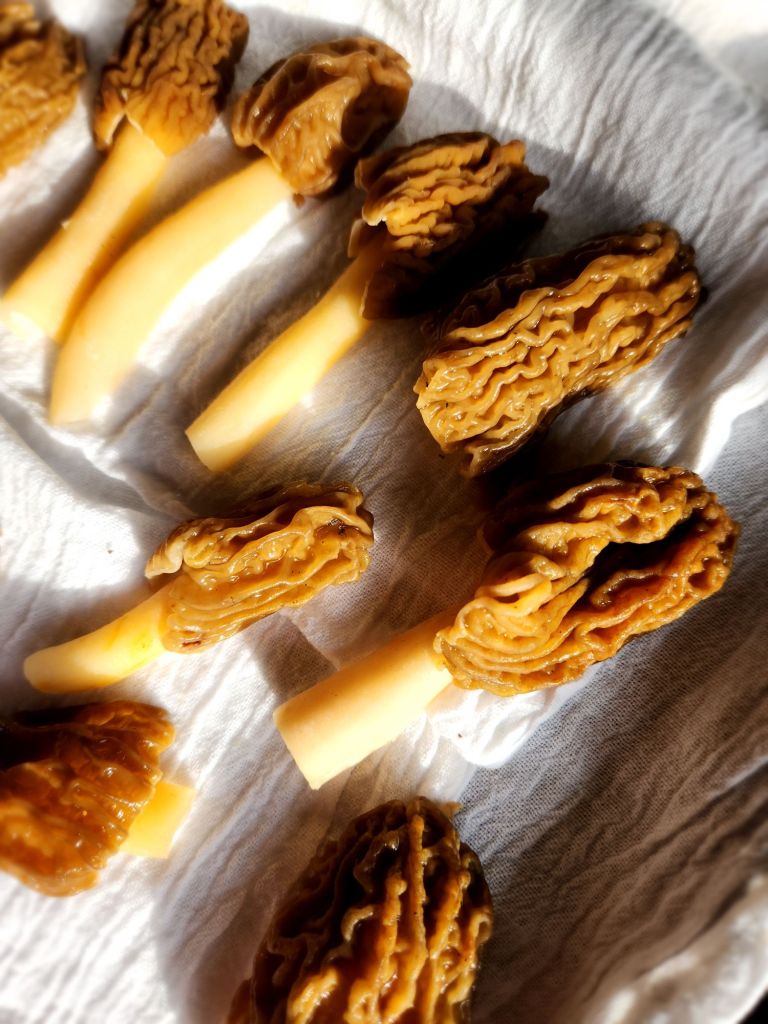
The proper fridge storage technique:
- Use a paper bag or towel-lined container. Place cleaned, dry morels in a brown paper bag or a container lined with paper towels. Never use plastic bags or airtight containers.
- Leave airflow. If using a container, do not seal it tightly. Crack the lid or cover loosely with a damp (not wet) paper towel to allow breathing room.
- Store in the crisper drawer. This section of your fridge maintains the most consistent humidity and temperature, which helps morels stay fresh without drying out completely.
- Check daily. Replace damp paper towels as they absorb moisture and remove any mushrooms that start to soften or smell off.
The paper towel setup works because it wicks away excess moisture while still preventing the morels from drying into hard, unusable husks. Think of it as creating a breathable microclimate that mimics the cool, slightly humid forest floor where they thrive naturally.
Even with perfect fridge storage, fresh morels have a ticking clock. After day three, you will notice texture degradation. By day five, most are past their prime for sauteing or grilling. If you hit day four and know you will not cook them soon, pivot immediately to drying or freezing to salvage the batch.
Freezing Morels for Long Term Storage

Freezing locks in flavor and extends usability for up to 12 months, but only if you prep them correctly first.
Raw morels turn mushy when frozen and thawed. The trick is either blanching or sauteing before freezing to preserve cell structure and prevent that waterlogged, rubbery texture.
Blanching method:
- Bring a pot of salted water to a rolling boil.
- Drop cleaned morels in for exactly two minutes.
- Immediately transfer to an ice bath to stop cooking.
- Drain thoroughly and pat completely dry.
- Lay flat on a parchment-lined baking sheet and freeze for two hours.
- Transfer frozen morels to a ziploc bag removing as much air as possible, or a few large mason jars as you do not want them crushed.


Sauteing method:
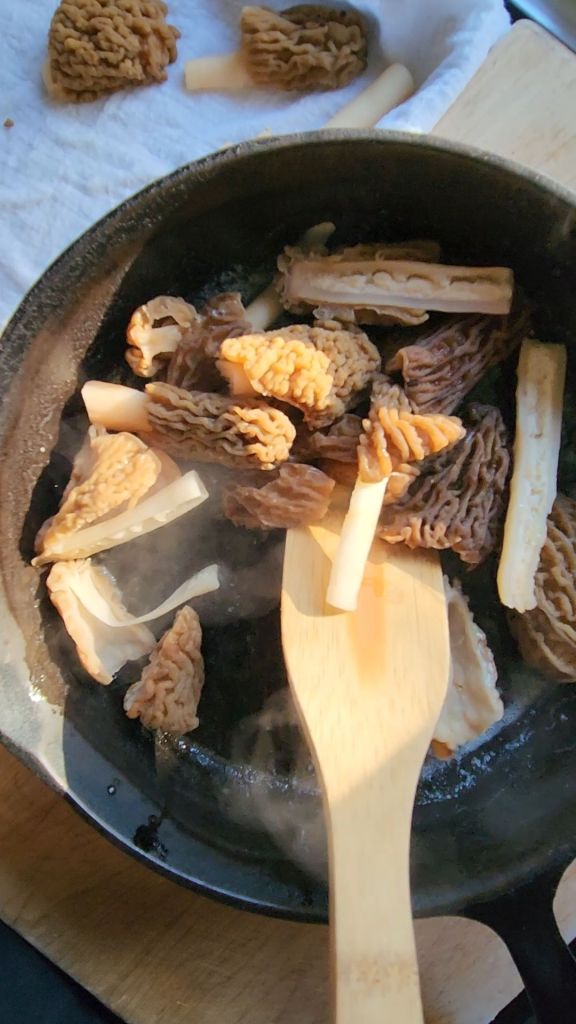
- Heat butter or oil in a skillet over medium-high heat.
- Add cleaned uncooked morels and cook for four to six minutes until they release moisture and start to brown.
- Let cool completely.
- Pack into freezer-safe containers or bags with minimal air exposure.
The sauteing route gives you a head start on flavor development and works beautifully if you plan to add frozen morels directly into soups, sauces, or risottos later. Blanched morels retain a firmer bite and work better for dishes where you want the mushroom to be a star ingredient rather than a background flavor.
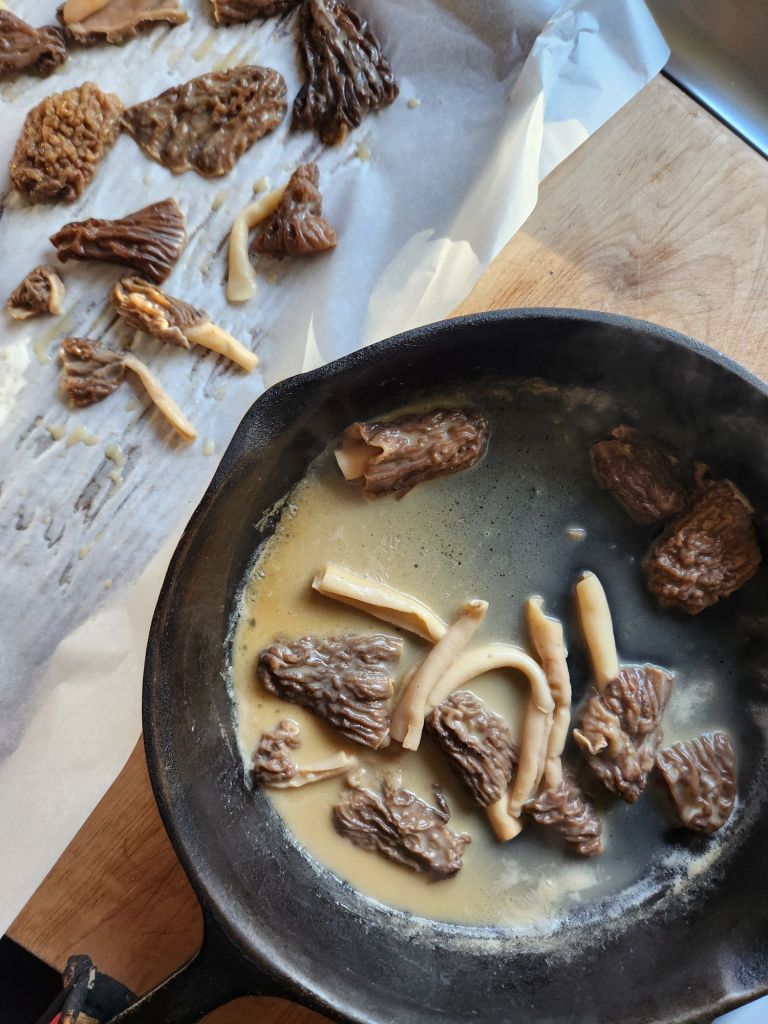
Both methods prevent ice crystal formation inside the mushroom, which is what causes that disappointing soggy collapse when you thaw and cook them.
Label your bags with the date and method used so you can track what you have and choose the right application when you are ready to cook.
Drying Morels for Maximum Shelf Life
Dried morels last for years when stored properly and actually intensify in flavor as moisture evaporates.
This is the most popular preservation method among serious foragers because it requires no freezer space, no electricity after drying, and delivers concentrated umami punch that fresh morels cannot match.

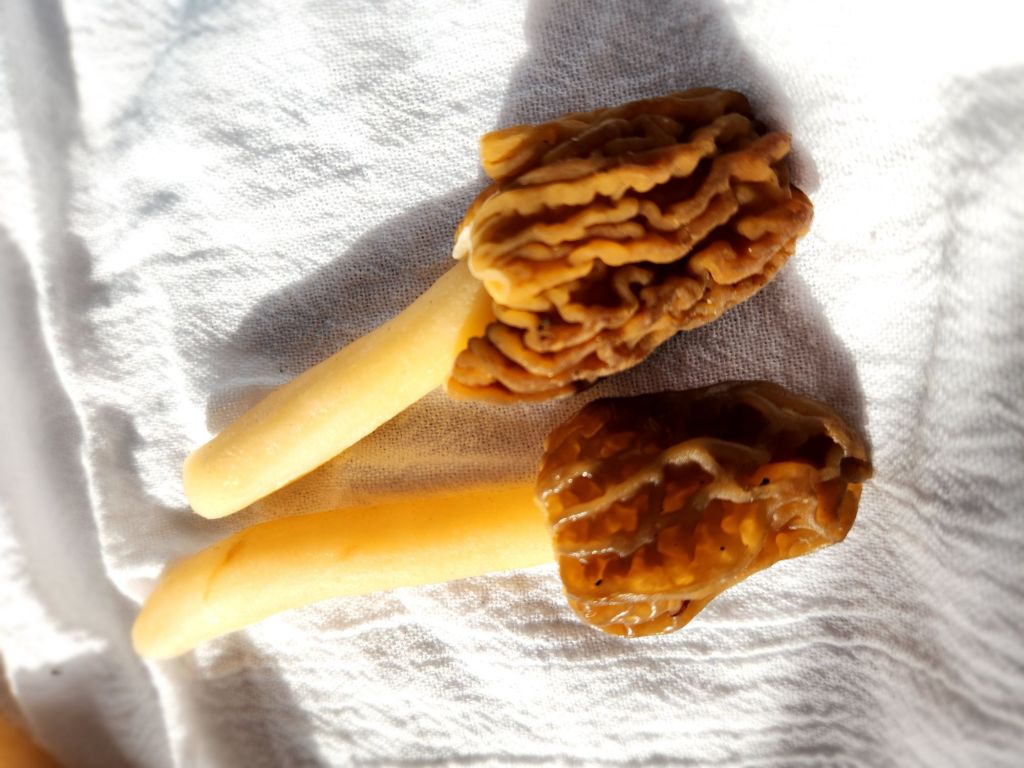
Air drying:
Thread cleaned morels onto a string using a needle, leaving space between each mushroom. Hang in a warm, dry location with good airflow for five to seven days until they are completely brittle and snap when bent. This works best in low-humidity climates.
Dehydrator method:
Arrange morels in a single layer on a dehydrator tray. Set temperature to 110 to 125 degrees and dry for six to eight hours, checking periodically. They are done when they crack easily and have no soft or pliable spots.
Oven drying:
Set your oven to the lowest possible temperature, ideally under 150 degrees. Place morels on a wire rack over a baking sheet and prop the oven door open slightly. Dry for four to six hours, rotating trays halfway through.
Properly dried morels should feel light as air and shatter with minimal pressure. Any remaining moisture leads to mold during storage, which ruins the entire batch.

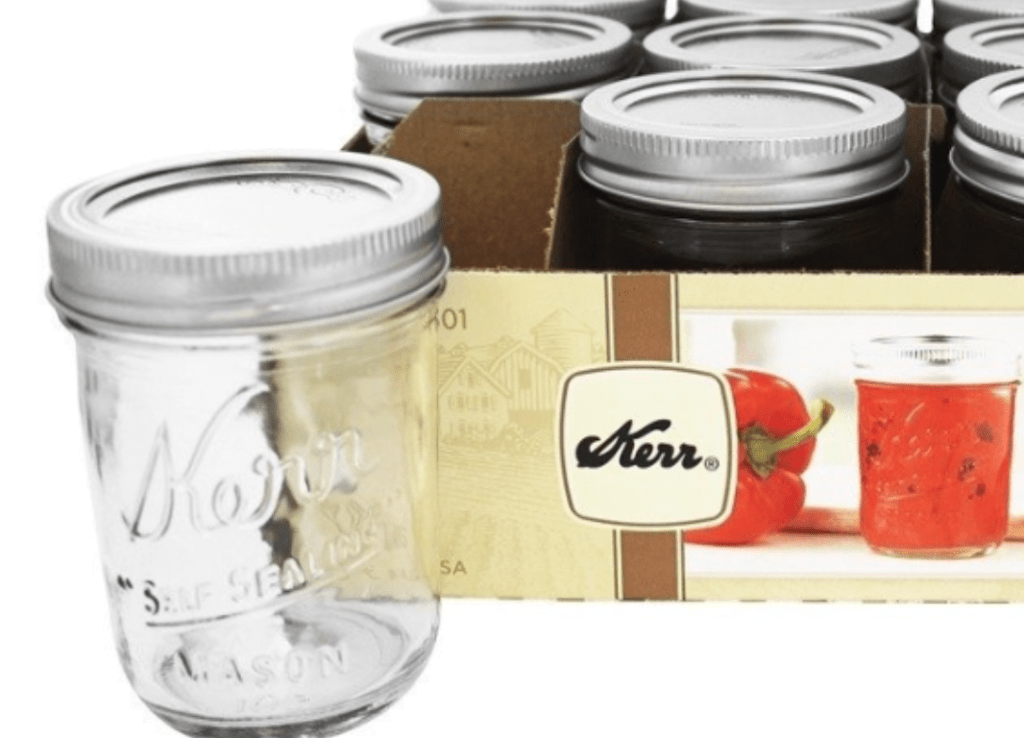
Once fully dried, store in airtight glass jars or vacuum-sealed bags in a cool, dark pantry. Avoid plastic containers long-term as they can impart off flavors.
Rehydrating Dried Morels
Dried morels need to be brought back to life before cooking, and the rehydration liquid is liquid gold.
The rehydration process:
- Place dried morels in a bowl and cover with hot (not boiling) water, broth, or wine.
- Let soak for 20 to 30 minutes until fully softened and pliable.
- Gently squeeze excess liquid from the mushrooms.
- Strain the soaking liquid through a coffee filter or cheesecloth to remove grit.
- Use the strained liquid as a flavor base for sauces, soups, or risottos.
That soaking liquid concentrates all the earthy, nutty compounds that make morels so prized. Throwing it down the drain is a crime against flavor.
Even if your recipe does not call for it, freeze the liquid in ice cube trays and add it to future dishes that need a umami boost.
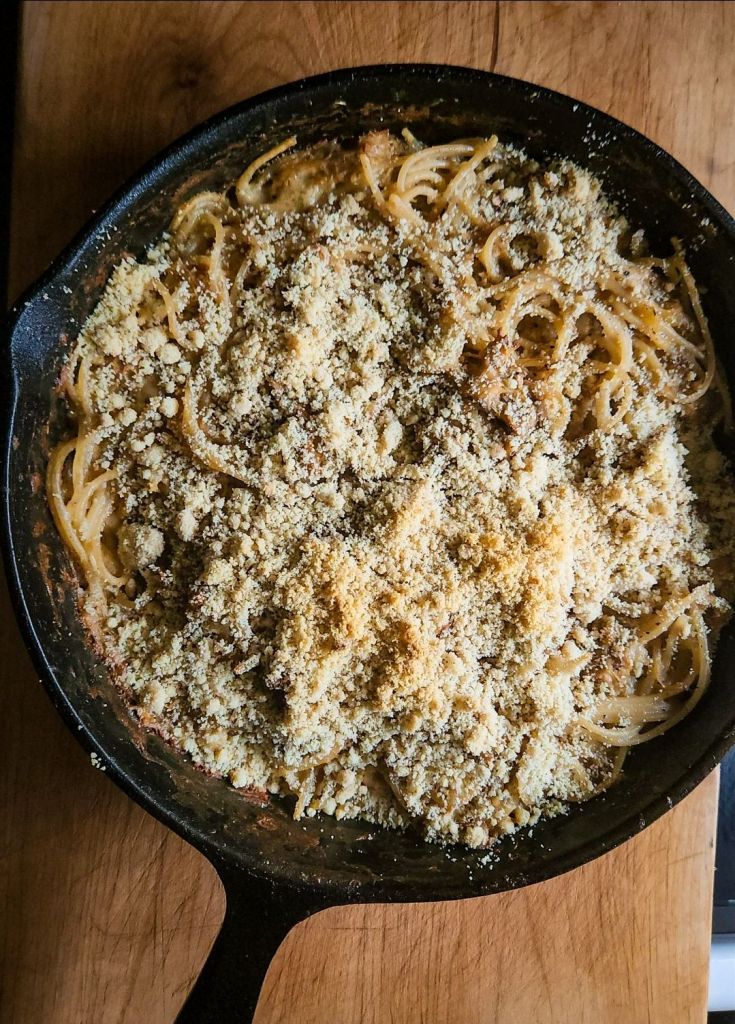
Rehydrated morels will not have the same firm snap as fresh ones, but they deliver deeper, more complex flavor that works beautifully in cream sauces, pasta dishes, and braises where texture is less critical than taste.

What Not to Do When Storing Morels
These common mistakes ruin more morels than any other factor.
Never store morels in plastic bags. Plastic traps moisture and creates the perfect environment for slime and mold. Even a few hours in a sealed plastic bag can start the decay process.
Do not wash morels days before cooking. Water exposure should happen as close to cooking time as possible. Pre-washing and then storing almost guarantees spoilage.
Avoid stacking morels in deep piles. Weight crushes the delicate structure and creates moisture pockets. Always store in a single layer when possible.
Skip the crisper drawer humidity control set to high. Morels need moderate humidity, not tropical conditions. High settings create condensation that leads to rot.
Do not freeze morels without blanching or cooking first. Raw frozen morels turn to mush and lose all textural integrity when thawed.
Each of these mistakes seems minor in the moment but compounds quickly. One bad storage decision early in the process can wipe out your entire harvest or expensive farmers market purchase within 48 hours.
How to Tell If Your Morels Have Gone Bad
Knowing when to toss compromised morels saves you from a ruined dish or worse.
Visual signs:
- Slimy coating. Any slick, wet film on the surface means bacterial growth has started.
- Dark brown spots or bruising. Small brown patches are normal, but large dark areas signal breakdown.
- Mold growth. White, green, or black fuzzy spots mean immediate disposal.
Texture test:
Fresh morels should feel dry and slightly spongy with some give but definite structure. If they feel mushy, collapse under gentle pressure, or leave moisture on your fingers, they are past saving.
Smell check:
Morels have an earthy, slightly nutty aroma. Any sour, ammonia-like, or unpleasant smell indicates spoilage. Trust your nose over your eyes on this one.
When in doubt, throw it out. Food poisoning from spoiled mushrooms is not worth the risk, and one bad morel can contaminate an entire dish with off flavors even if it does not make you sick.
Storage Tips for Specific Cooking Plans
Match your storage method to how you plan to use the morels.
For sauteing or grilling within three days: Refrigerator storage in a paper bag gives you the best texture and allows the morels to maintain that meaty bite.
For cream sauces and pasta dishes later: Freeze after sauteing in butter so you can drop them directly into your pan when ready to cook.
For soups and stocks months from now: Dry them completely and rehydrate as needed for maximum flavor concentration.
For quick weeknight meals: Blanch and freeze in pre-portioned bags so you can grab exactly what you need without thawing an entire batch.
For gifting to other food lovers: Dried morels in a glass jar with a ribbon make an incredible homemade present that shows real thought and effort.
Thinking ahead about application helps you choose the right preservation path and prevents the common mistake of storing everything the same way only to realize the method does not fit your cooking style.
Maximizing Flavor During Storage
Storage is not just about preventing rot. It is also about protecting and even enhancing flavor.
Morels stored in the fridge with a sprig of fresh thyme or a garlic clove in the bag pick up subtle aromatics that complement their earthy profile. Just make sure the herbs are dry, not wet, to avoid introducing extra moisture.
When freezing, add a small pat of butter to each portion. The fat protects the mushrooms from freezer burn and gives you a built-in flavor boost when you cook them later. This trick works especially well if you plan to use them in dishes where butter is already part of the recipe.
For dried morels, storing with a small piece of dried porcini or shiitake mushroom creates a mixed wild mushroom blend that adds complexity when you rehydrate and cook. The flavors marry during storage and create something more interesting than any single variety alone.
Tips, Substitutions and FAQs
- It’s essential to cook morels thoroughly before consumption to neutralize any toxins, such as hydrazine, which are present in raw morels.
- Sauté Morels by heating olive oil or butter in a sauté pan over medium heat. Add cleaned morels and cook until tender, seasoning with salt and pepper to taste.
- Fill cleaned morels with a mixture of breadcrumbs, herbs, and cheese. Bake in a preheated oven until golden brown and bubbly.
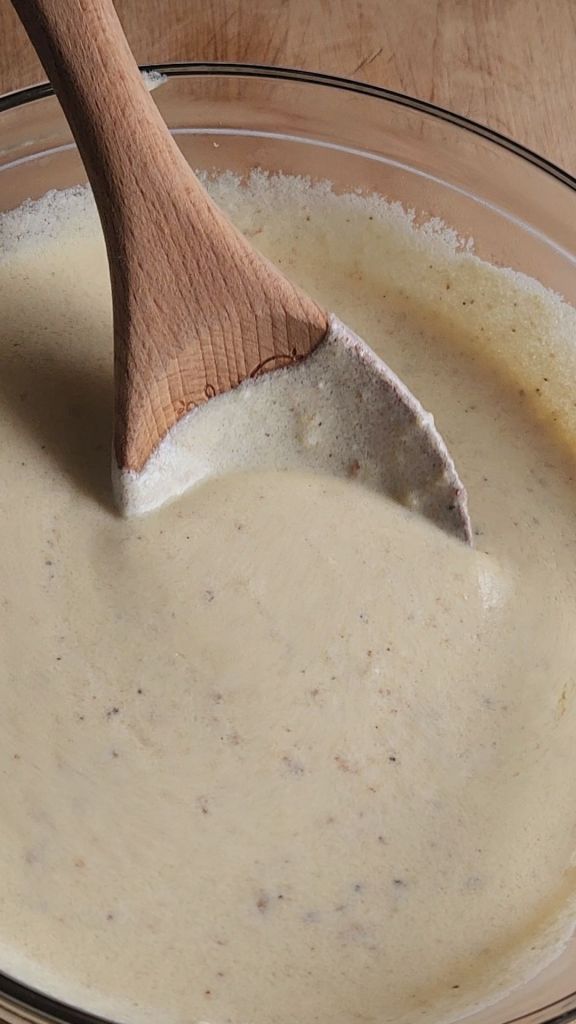
- Sauté sliced morels with shallots and garlic until golden brown. Deglaze the pan with white wine and reduce. Stir in cream and simmer until thickened, then season with salt and pepper.
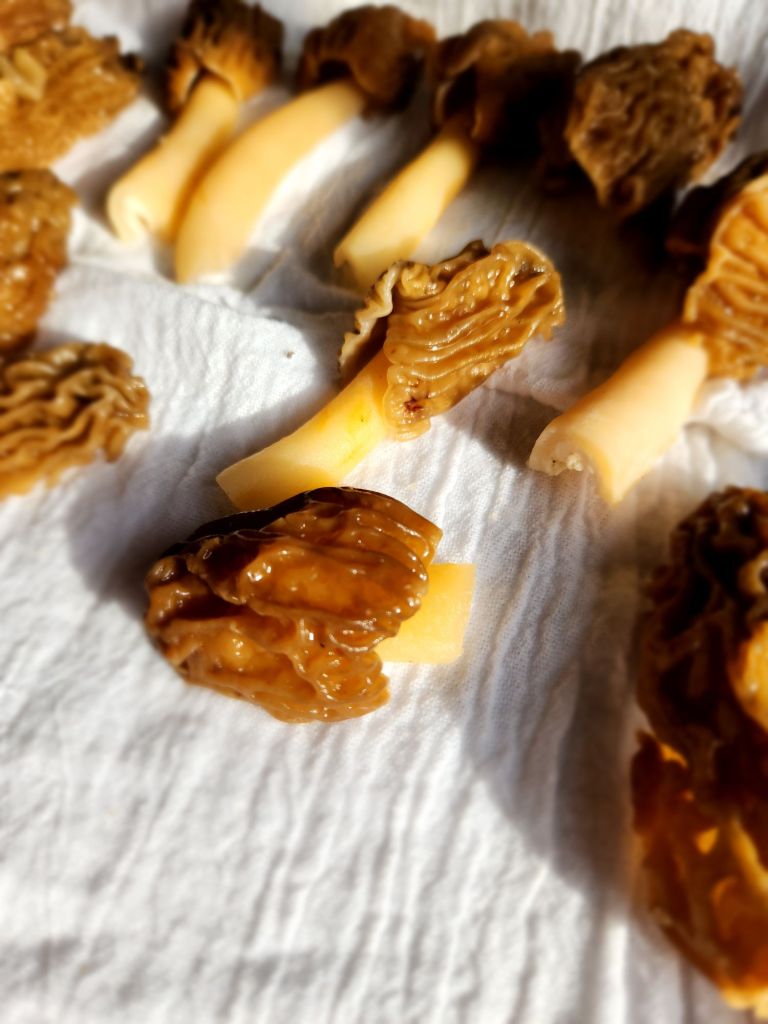
What’s the best way to clean morels? Quick rinse under cold water, followed by brushing with a soft brush or toothbrush.
Can I store morels in a brown paper bag? Yes, but ensure they’re stored in an airtight container or sealed plastic bag within the paper bag to prevent moisture loss.
How long do morels last in the fridge? Up to a week when stored properly in an airtight container lined with a damp paper towel.
Can I freeze morels without blanching? Yes, flash freezing preserves their texture and flavor without the need for blanching. It is best to lay them out on a cookie sheet not touching each other for at least 2 hours. Once they are frozen, you can put them in a freezer bag and know that they will not stick to one another.
What’s the best method for long-term storage? Dehydrating morels and storing them in an airtight container in a cool, dry place.
Should I store morels in the fridge or freezer? Use the fridge for short-term storage and the freezer for long-term preservation.
Can I rehydrate dried morels? Yes, soak dried morels in warm water for 20-30 minutes before using in recipes.
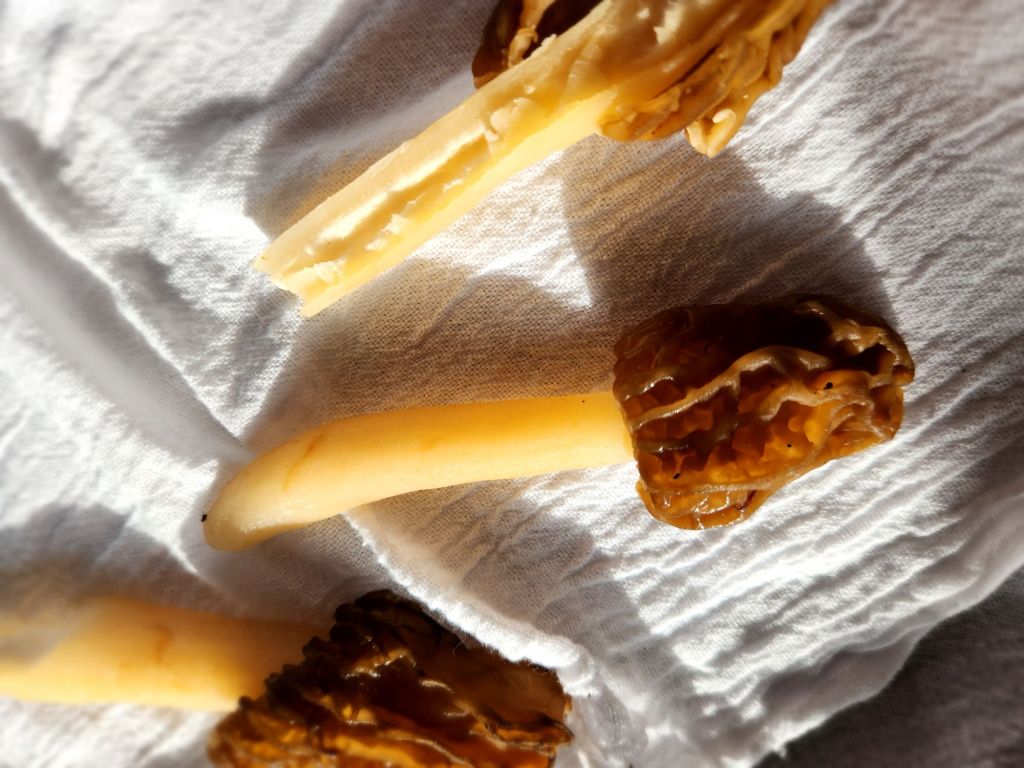
How do I know if morels are still good? Look for signs of spoilage such as sliminess, mold, or a foul odor.
Can I store morels with other types of mushrooms? It’s best to store morels separately to prevent cross-contamination of flavors.
Are there any safety concerns with storing morels? Ensure proper cleaning and storage procedures to prevent bacterial growth and foodborne illness.
Mastering the art of storing morel mushrooms is essential for preserving their unique flavor and extending their shelf life. Small touches like these separate people who just store morels from people who truly preserve them at their peak while setting up future dishes for success.

The morels you worked so hard to find or paid premium prices for deserve storage methods that honor their quality. Every technique in this guide exists because someone learned the hard way what happens when you cut corners.
Now you know how to keep your morels fresh, flavorful, and ready to transform any meal from ordinary to unforgettable.
Whether you choose to store them in the fridge, freezer, or through dehydration, following proper cleaning and storage techniques will ensure your morels remain a culinary delight for months to come.
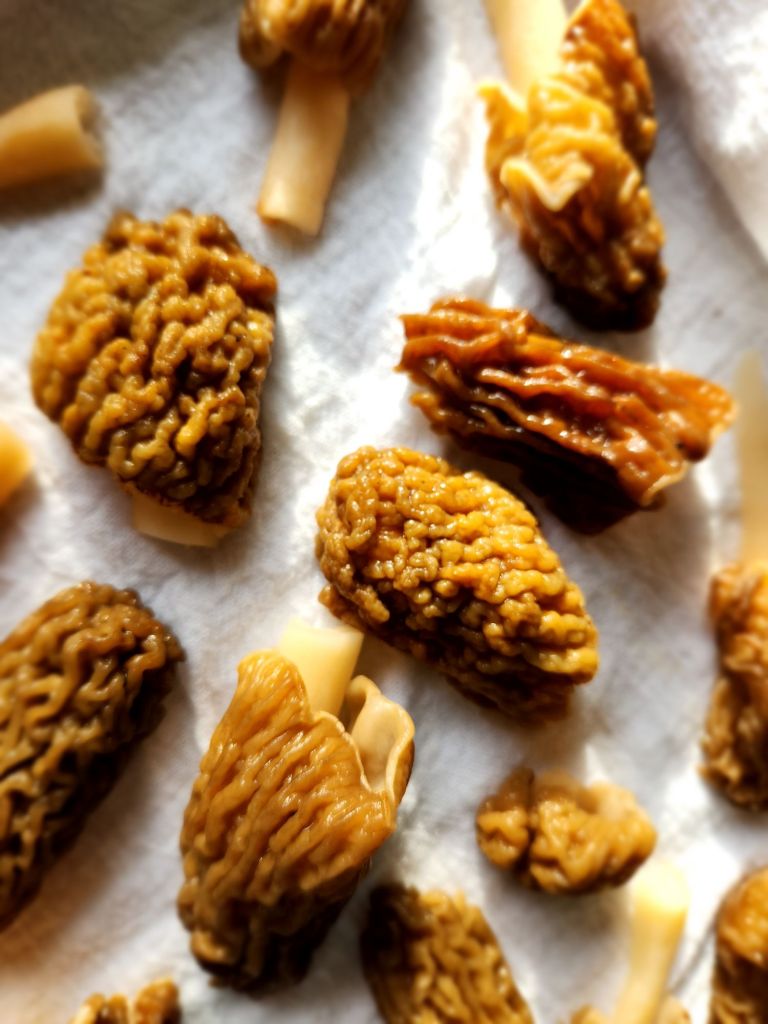
Don’t forget to PIN the pinnable recipe card to your Pinterest board or print the printable recipe card.
Full disclosure, we are affiliates with various companies, including Amazon as an Amazon associate and earn a small commission from these companies when you purchase through my affiliate links. This is at no extra cost to you.
Thank you for supporting my site by leaving a five-star review plus leaving a comment in the comment section with your results.


Leaving a 5-star rating help my keto recipes to be seen by more people which helps others have options too!
This helps my great recipes to be shown to more people for my websites’ success!
View my Privacy Policy from the menu.
Come follow me on social media as well as I post new recipes and videos on Instagram and Pinterest all the time!
If you love cast iron as much as I do, then you would absolutely LOVE my 2nd cookbook “Chaffles Cast Iron and The Crock”!!

Here are some recipes you will love to use your Morels in!
The Best Gluten Free Baked Skillet Casserole Recipe

Easy Gluten Free Copycat McCormick Swiss Steak Recipe

Easy Low Carb Keto Crustless Pizza Casserole Recipe

Air Fryer Recipes Beef Bread Breakfast Cakes Coconut Flour Cold Drinks Cookies and Bars Crockpot Recipes Dairy Free Desserts DIY Recipes Donuts Drinks Hot & Cold Fall Recipes Holiday Recipes Hot Drinks Ice Cream & Toppings Instant Pot Recipes Keto Condiments Keto Ingredients Kitchen Tips & Tricks Low Carb Side Dishes Main Dish Muffins Pies Pork Poultry & Seafood Pumpkin Puree Recipes Quick Gluten Free Lunches/Snacks Seasonal Recipes Skillet Meals Summer Recipes Uncategorized Waffles and Pancakes Winter Recipes