

Can you freeze coconut flour? Storage Tips + Recipes
A great alternative to wheat flour, coconut flour has gained popularity in recent years, especially with the low carb and paleo diet.
We will answer the question: Can you freeze coconut flour, plus offer storage tips and recipes to use this versatile flour in.
Although coconut flour is drier than regular flour, and requires a lot of liquid, it can still make some amazing food!
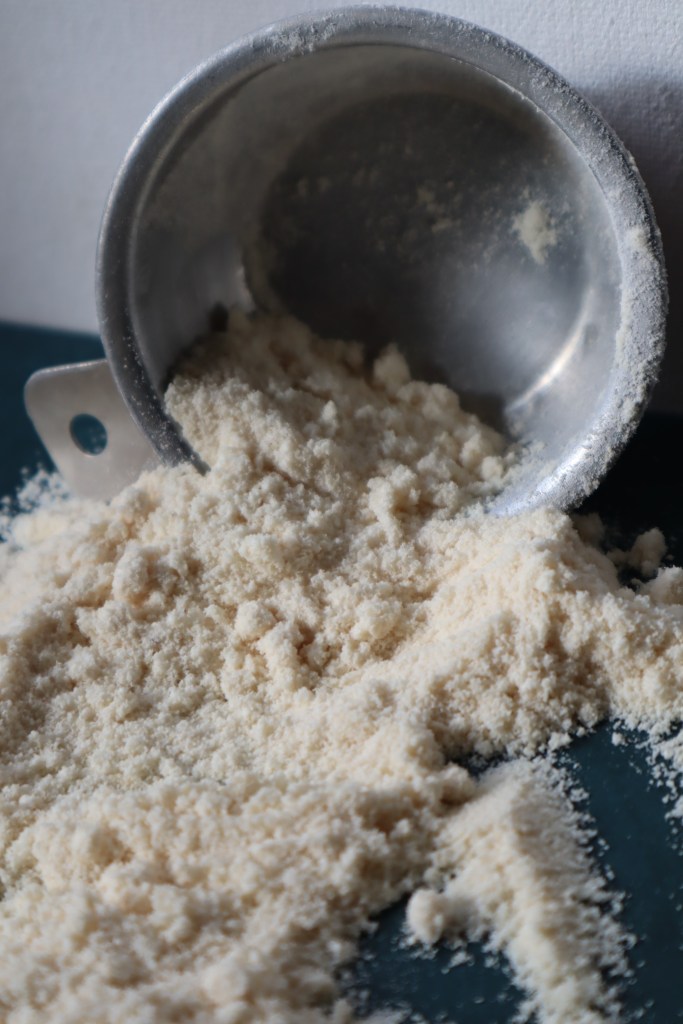
Keep reading till the end for recipes with simple ingredients using this versatile flour.
If you’re a fan of this versatile ingredient, you may have wondered about the best way to store coconut flour and ensure its freshness for as long as possible.
Whether you’re a seasoned coconut flour enthusiast or a beginner looking to incorporate it into your gluten-free baking adventures, this guide will provide you with all the knowledge you need.
From freezing techniques to signs of spoilage, keep reading as I include some of my most favorite coconut flour recipes using this wonderful gluten-free flour!
Storing Coconut Flour: The Basics
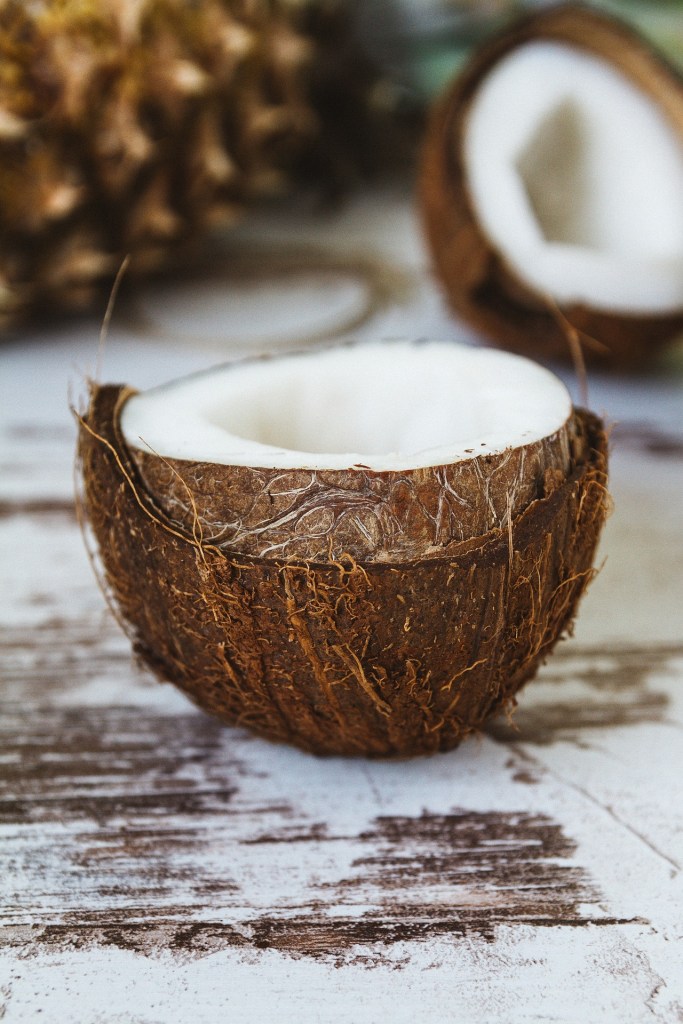
Coconut flour is made from dried coconut meat, and it’s known for its low carbohydrate content, high fiber content, and healthy fats, making it a fantastic option for those following a low-carb or gluten-free diet.
When it comes to storing coconut flour, the key is to protect it from moisture, heat, and light, which can cause deterioration in the nut oils.
My most favorite way to store gluten free types of flour is in a large, lidded jar or container in the refrigerator.
If you have a bag of unopened coconut flour, the original packaging is a great place to leave it until you have opened it.
Many brands seal their coconut flour in a resealable bag, ensuring its freshness for an extended period, but it is best to transfer to an airtight container to store in the coldest part of the refrigerator.
Your containers must be airtight to prevent exposure to moisture, air, and pests.
Choose a container that fits the entire amount of coconut flour or divide it into smaller portions and use multiple containers if necessary.
Coconut flour can be stored at room temperature, but freezing is the best way to maximize its freshness.
Freezing the coconut flour in freezer safe plastic packs slows down the deterioration process, preserving the flavor and texture for longer periods.
However, if you plan to use the coconut flour regularly, storing it in an airtight container at room temperature is acceptable for short-term storage unless it is very hot where you live.
Coconut flour must be stored in a dry place at low temperatures away from direct sunlight for long periods so the natural action of its moisture absorbing abilities is hindered.
Consider the weather and heat in your kitchen cabinet or pantry area.
If it is warmer, go with storing it in the refrigerator as previously mentioned to avoid having rancid flour.
If your pantry is a cool, dark place, with lower temperatures then you should be fine.
How long does coconut flour last if frozen?
If you want to store your coconut flour for a long time, freezing is the ultimate solution.
This is the storage method I prefer for storing my extra coconut flour in the warmer months of the year as heat can make the coconut flour go bad.
Here’s a step-by-step guide to freezing and storing to prolong your coconut flour’s shelf life.
1. Preparing for Freezing: Ensure your organic coconut flour is in its original unopened package, in an airtight container or transfer leftover flour to a freezer bag. Cardboard containers are rare, but if you receive your coconut flour in one, make sure to transfer for sure. Remove any excess air from the bag before sealing to minimize the risk of freezer burn.
2. Labeling and Dating: To keep track of your frozen coconut flour, label the container or bag with the production date, expiration date or best-by date. This will help you prioritize its use and maintain freshness.
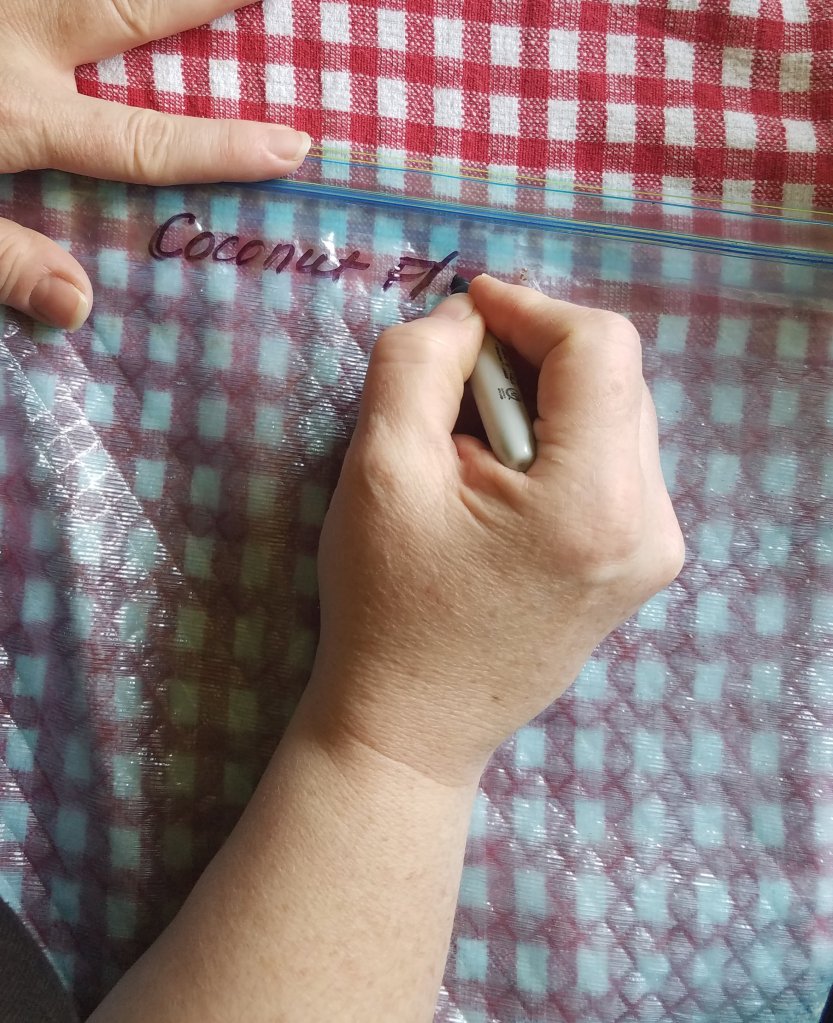
3. Freezer Placement: The best place to store in the freezer is the coldest part. Find the coldest place of your freezer and place the coconut flour there. Avoid storing it near heat sources or items with strong odors that could affect the flour’s flavor like fish or onions.
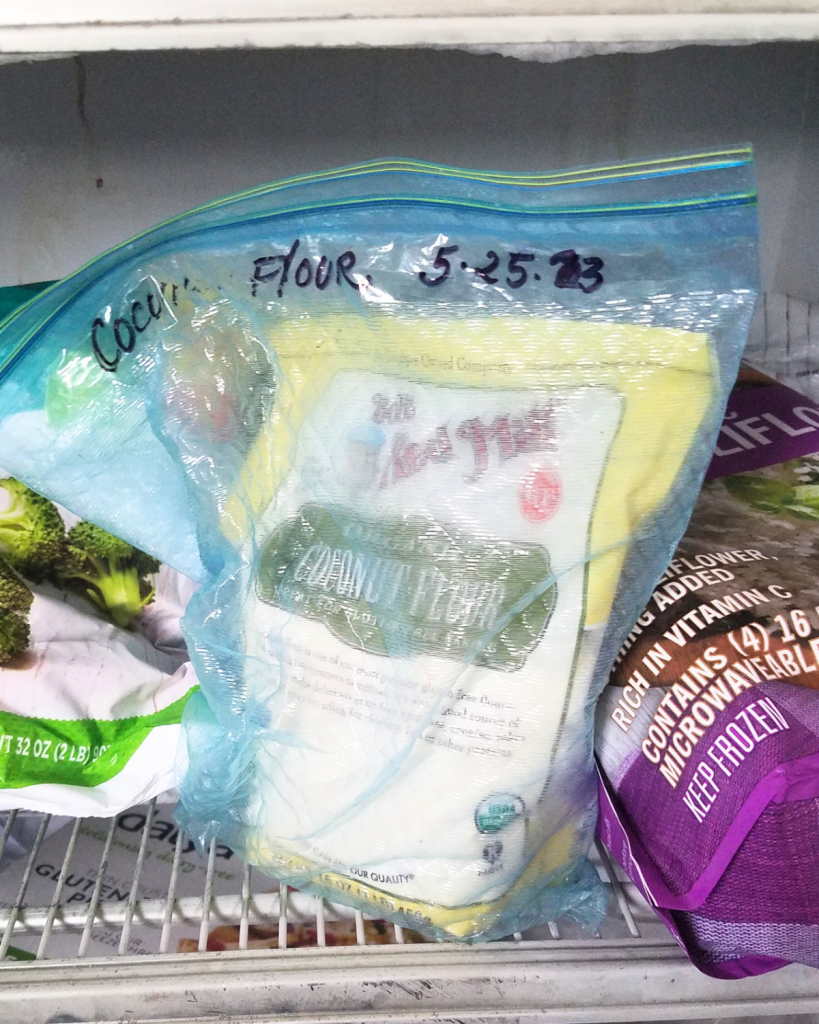
4. Freezing Time: The shelf life of coconut flour in the freezer is for 3-6 months. For longer storage, consider vacuum-sealing or double-bagging the flour to prevent freezer burn and it will last 6-12 months.
5. Thawing and Using Frozen Coconut Flour: When you’re ready to use the flour, remove the desired amount from the freezer and let it thaw at room temperature or in the refrigerator. Gently whisk or sift the flour to break up any clumps before incorporating it into your recipes.
Tips on how you can tell if it is still safe to use
Determining the freshness of coconut flour is crucial for achieving the best results in your culinary creations.
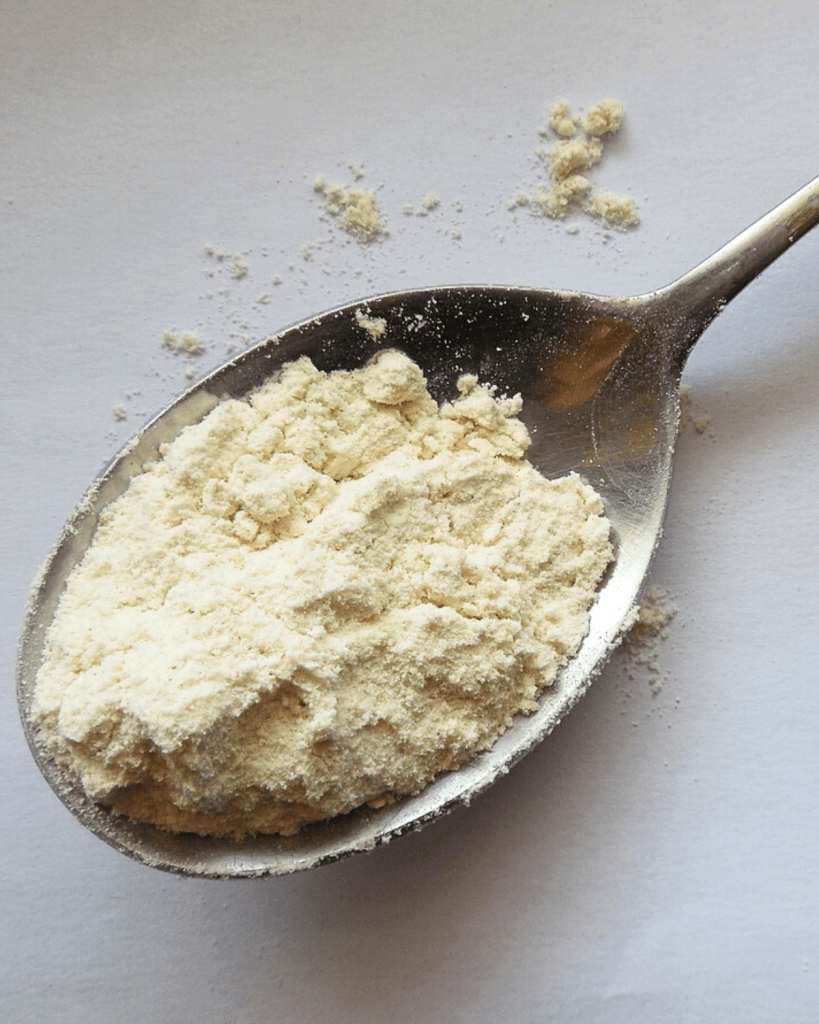
If the coconut flour is not dry, it will not perform the same way that it would fresh so your recipes will suffer for it.
Here are some spoilage signs to look out for:
1. Appearance and Color: Fresh coconut flour hasa light cream color, while expired flour may appear darker or have visible discoloration.
2. Aroma: Give the flour a sniff! Fresh coconut flour should have a pleasant nutty aroma. If it smells rancid or off, it’s expired coconut flour and should be discarded.
3. Texture: Coconut flour with a low moisture content should be dry and fine, with only small clumps, no wet clumps or wet spots. If you notice any moisture or small wet clumps, it’s a sign of spoilage.
4. Taste Test: If you’re unsure about the freshness of your coconut flour, perform a taste test. Fresh coconut flour has a mildly sweet and nutty flavor, while expired flour may have a bitter taste. You will know your coconut flour is bad when you run it through these simple tests. When frozen, if it passes these tests although it may be past its expiry date, I will still use it.
Now I have my whole bag of coconut flour, let’s make something!
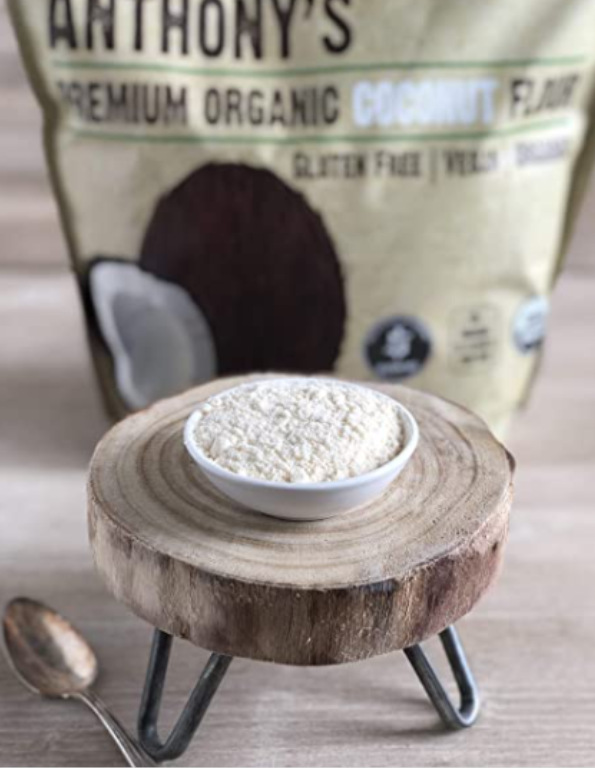
My favorite brands of coconut flour are Anthony’s , Bob’s Red Mill or Wholesome Yum Coconut Flour.
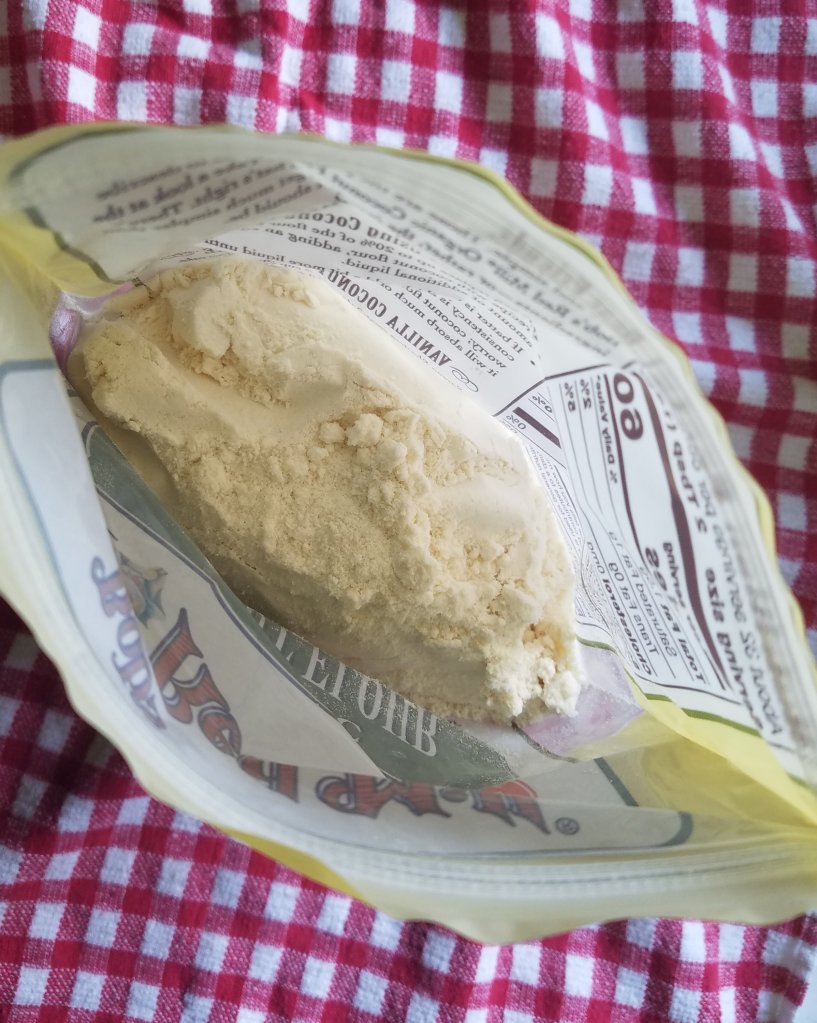
They always work out in my recipes and have been adjusted in different ways, so they work with the moisture and added ingredients.
Coconut flour is much more economical than traditional flours like white flour, buckwheat flour or even gluten free all purpose flour because you only need a little bit, like 1/4-1/2 cup coconut flour for a whole recipe!
I also incorporate store-bought coconut flour with almond flour in my recipes to help the batter hold together well.
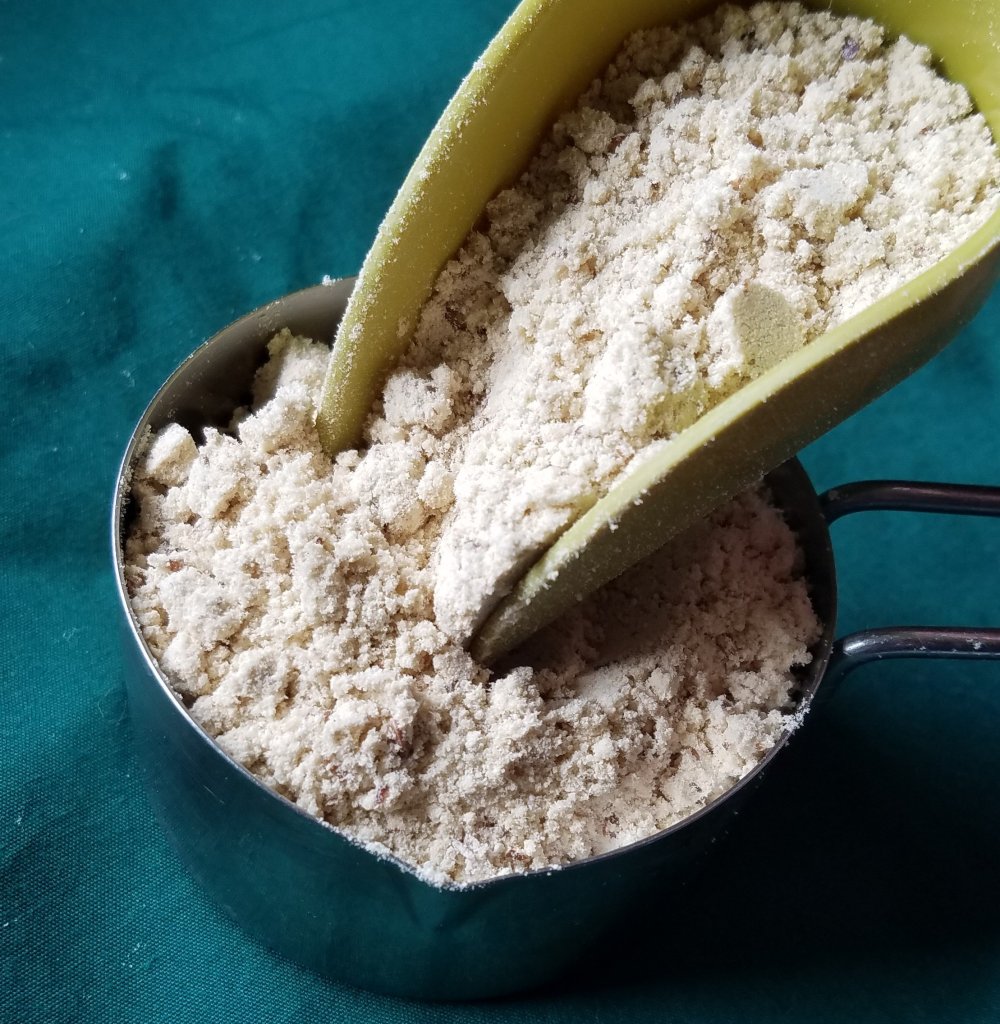
A good choice to help your ingredients last and take up less space in your pantry!
Coconut flour is a fantastic gluten-free alternative that brings incredible flavor and texture to your favorite recipes without spiking your blood sugars as it is also low in net carbs
By storing it properly in an airtight container or freezing it, you can prolong its shelf life and maintain its freshness for months.
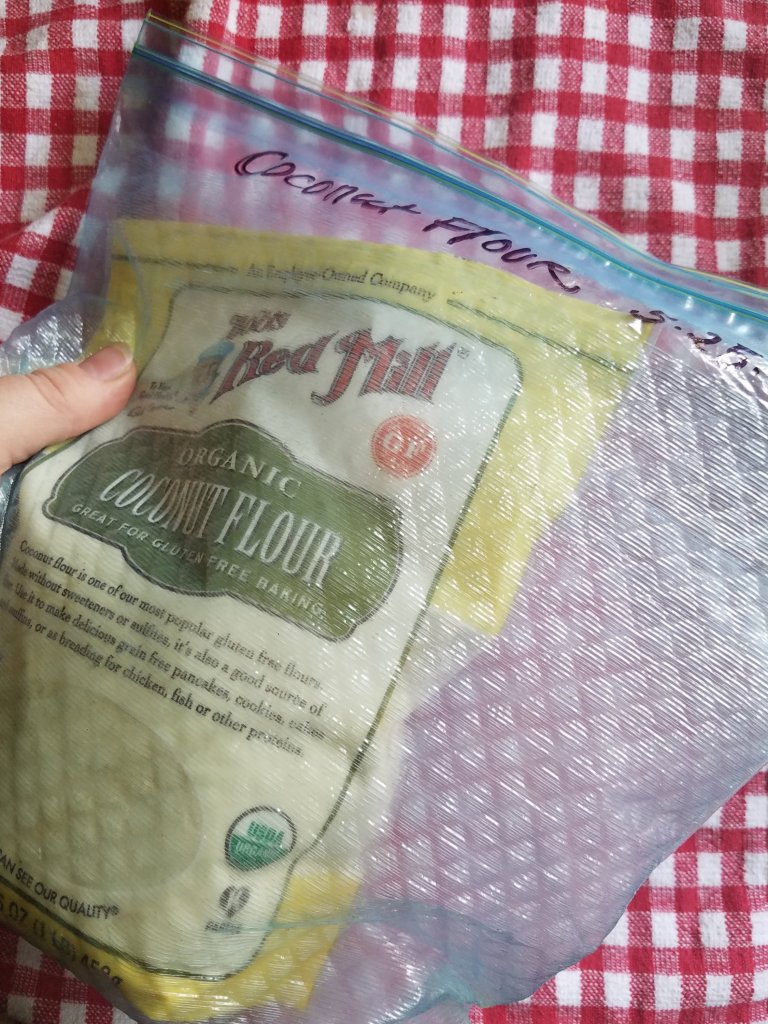
Remember to check for signs of spoilage such as unusual color, smell, or texture before using coconut flour in your culinary creations.
With its long storage life and multiple uses, coconut flour proves to be an good option for those following gluten-free, paleo, or keto diets.
So, whether you’re baking delicious coconut flour muffins or experimenting with dinner recipes, now you have the knowledge to store coconut flour in the best possible way and achieve great results every time.
Don’t forget to PIN the pinnable recipe card to your Pinterest board or print the printable recipe card.
Full disclosure, we are affiliates with various companies, including Amazon as an Amazon associate and earn a small commission from these companies when you purchase through my affiliate links.
This is at no extra cost to you.
Thank you for supporting my site by leaving a five-star review plus leaving a comment in the comment section with your results.
Leaving 5-star ratings help my keto recipes to be seen by more people which helps others have options too!
This helps my great recipes to be shown to more people for my websites’ success!
View my Privacy Policy from the menu.
Come follow me on social media as well as I post new recipes and videos on Instagram and Pinterest all the time!
If you love cast iron as much as I do, then you would absolutely LOVE my 2nd cookbook “Chaffles Cast Iron and The Crock”!!
If you love cast iron as much as I do, then you would absolutely LOVE my 2nd cookbook “Chaffles Cast Iron and The Crock” !!
Here are 16 of my favorite ways to use coconut flour in my recipes that not only fit a keto diet but are perfect for anyone who may have celiac disease as well.
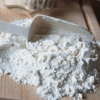
Out of those 16 plus recipes, here are 5 of my most popular ones for breakfast that my readers cannot stop talking about!

Gluten Free Coconut Crunch Donuts (Hostess Copycat)– These Gluten Free Coconut Crunch Donuts really do taste like the Hostess Mini Donuts with the crunch of your childhood favorites! The caramelized crunch of the toasted coconut and the soft, pillowy cake donut that has been covered in a sugar free glaze make the best keto donuts.

Gluten Free Low Carb Skillet Cake French Toast Recipe– I love having a delicious breakfast at the start of the day, so this Gluten Free Low Carb Skillet Cake French Toast Recipe fits right into my keto lifestyle. You may be thinking it would be impossible to have French toast on a keto diet without any regular bread, but it is possible when you make it up yourself with my quick low carb bread recipe. Make this one dairy free when you use coconut oil and coconut milk.

Quick Keto Pancake Bread Recipe with Blueberries– When it is breakfast time and you need something quick that is high protein, low carb and gluten free, this Quick Keto Pancake Bread Recipe with Blueberries is your answer! It is my favorite of all of my breakfast bread recipes. Move over Trader Joe’s Pancake Bread because this keto version of a pancake in loaf form will knock your socks off! It is my quick keto pancakes made into a quick bread that you slice up and serve with a drizzle of maple syrup that any pancake lover will want over and over! Try mixing up the batter in a food processor to get a fine crumb consistency.
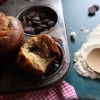
Easy Gluten Free Muffin Recipe with Mix Ins – This easy recipe for the best gluten-free muffins are ones you can whip up quickly and also have on hand for easy on-the-go breakfasts! If you are new to the gluten free world, gluten-free baking without a mix may seem daunting but let me show you how truly easy it is to have a gluten-free muffin recipe available for all different flavors you choose!

Easy Keto Bagel Recipe with Coconut Flour – It’s a bagel…toasted, or not toasted…. plain or with butter or cream cheese…anyway you want it, bagels are amazing! I have the best keto bagel recipe for you that makes six donut sized low-carb bagels without sugar or gluten and with 8 grams of protein each! Forget high-carb bagels and go for this low carb keto bagel recipe that will knock your breakfast socks off!