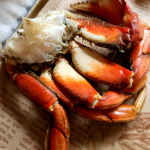
The Best Ways to Store Leftover Cooked Crab Legs
Whether from a delicious plate of crab legs from any of your favorite seafood restaurants or a cooked up batch of your own fresh crab meat, I will show you The Best Ways to Store Leftover Cooked Crab Legs.If you follow my easy steps, your leftover crab legs will maintain their tender texture and freshness to enjoy later!
Yield: 1 meal
Cost: 10
Equipment
- Freezer Paper
- Paper Towels
- Plastic Wrap
- Freezer Tape
Materials
- Leftover Crab Legs
- Freezer Zip Top Bags
Instructions
Ways to Store Cooked Crab Leftovers in the Fridge
- Use a Shallow Airtight Container: The easy method to store cooked crab legs is by placing them in a shallow airtight container. This will prevent moisture loss and keep them from absorbing unpleasant odors from the fridge. I still wrap them in wettened paper towels to help preserve the moisture of the crab meat.
- Use a Large Zip top Freezer Bag: I don't usually have a large enough container to put the crab legs in, so I will wrap them in cling film then put them in a freezer zip top bag. The thicker plastic meant for freezing prevents other odors from absorbing into the crab. I also put this freezer bag of wrapped crab legs into another bag such as a plastic grocery bag or clean recycled bag. This ensures that if your crab legs do leak out of the original bag it is contained.
How to Store Leftover Cooked Crab Legs in the Freezer
- Wrap Individually: Before freezing, wrap each crab leg individually in heavy-duty aluminum foil, plastic wrap or freezer wrap paper. This will help prevent freezer burn and maintain the crab's flavor and texture. You can also wrap them in a damp paper towel to help maintain the crab's moisture.
- Place in Freezer Bags: Now after wrapping them up, place the individually wrapped crab legs in a freezer bag. This is a great way to ensure they stay as fresh as possible in the freezer. You need to remove as much air as possible from the bag before sealing it to prevent freezer burn.
- Label and Date: Don't forget to label the freezer bag with the date of freezing. This helps you keep track of how long the crab legs have been in the freezer since they are only good up to 3 months in the freezer.
- Store in Freezer: Put the freezer bag in the coldest part of your freezer, ensuring a consistent temperature of 0°F (-18°C) or lower. This is usually in the back of the freezer on the top shelf. Putting it in the back reduces the exposure to warm air everytime you open the freezer door.
- Use within 2-3 Months: While frozen crab legs can be safe to eat for a longer period, it's best to consume them within 2-3 months for the best quality. This is still a long time compared to only a few days in the fridge.
How to Reheat your Leftover Cooked Crab Legs
- These instructions are for cooked crab legs from the fridge, or frozen crab legs you have thawed overnight in the fridge.
- You do not want to reheat your crab legs from frozen.
- Boiling: Bring a large pot of water to a boil then add in the crab legs. Simmer for 4-5 minutes. This method is quick and retains the crab's natural flavors. You may want to add in a little sprinkling of some Old Bay Seasoning for added umph.
- Steaming them in Steamer Pots: Place the crab legs in a steamer basket over boiling water and steam for 5-7 minutes. Steaming preserves the crab's tenderness and moisture very well.
- Baking: Arrange the crab legs in a shallow baking dish. Brush them with melted butter, and bake at 375°F (190°C) for 10 minutes until heated through. You may also consider adding in one inch of water at the bottom of the dish to gently steam them while baking.
- Air Fryer: Preheat your air fryer to 400°F (200°C). Line your air fryer basket or tray with some parchment paper. Lightly brush the crab legs with oil, and air fry for 8-10 minutes for a crispy exterior.
- Instant Pot: Place a cup of water in the Instant Pots bottom and put in the steamer rack. You should make sure to add enough water to the bottom of the pot so it comes to pressure. One cup is standard. Add the crab legs to the rack inside of the pot and cook on high pressure for 1-2 minutes. Quick release the pressure as soon as the time is up. You will enjoy the most tender crab meat this way. It is my favorite as it steams the crab in a lot less time than the steamer pot, and does not heat up my kitchen with steam.
- The most important thing to remember is that the cooking time may vary depending on the size and thickness of the crab legs, so adjust accordingly.
- The internal temperature of cooked crab meat should reach 145°F (63°C) to ensure food safety.
Notes
This method of preserving your cooked crab legs works for any type of crab.
Here are some of the most popular varieties of crab that you can find in the grocery store freezer, meat department or fresh from the ocean during crab season!
- Alaskan King Crab Legs: Known for their sweet and succulent meat, Alaskan king crab legs are a seafood delicacy. They are typically the largest and most sought-after crab legs. These are my most favorite of all and the season for them happens during February here in the Pacific Northwest. My husband usually surprises me with some for Valentine's Day!
- Snow Crab Legs: Snow crab legs have a delicate and slightly sweet flavor. They are smaller than king crab legs but still offer a satisfying crab experience except that you have to crack more shell to get the crab meat out!
- Dungeness Crab: Dungeness crab is known for its rich and sweet flavor. The meat has a tender texture, making it a favorite among seafood enthusiasts. The season for them is in August here in the Pacific Northwest.
- Blue Crab Legs: Blue crab legs have a distinctive blue-green color and a sweet, briny flavor. They are commonly used in dishes like crab cakes.
- Stone Crab Claws: Stone crab claws are renowned for their sweet and succulent meat. They are often served chilled with a mustard-based dipping sauce